 Today we cover the importance of energy-efficient roofing systems and the role they can play in reducing energy use in commercial buildings.
Commercial and industrial buildings account for a significant amount of energy consumption, which is one reason building owners continue to look for practical ways to improve efficiency. Roofing can be one part of that effort, especially in buildings where solar heat gain contributes to cooling demand.
Energy-efficient building improvements can help reduce operating costs and environmental impact, but the actual results depend on the building, climate, insulation, HVAC system, roof assembly, and the specific improvements made.
Energy-Efficient Roofing Systems Can Be Part of the Solution
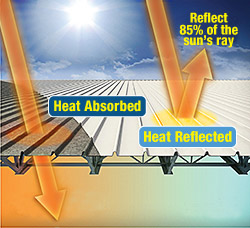
 As interest in energy-efficient buildings has grown, many property owners have looked to roofing as one area where improvements may be possible. One common option is the “cool roof,” which uses a reflective roof surface to reduce the amount of solar heat absorbed by the building.
Other approaches include white roofs and green roofs. White roofs use reflective surfaces, while green roofs incorporate vegetation and other system components designed for that type of roof assembly.
Energy-efficient roofing can offer a number of potential benefits:
- Reduced solar heat absorption
- Lower roof surface temperatures
- Potential reductions in cooling demand
- Improved indoor comfort in some buildings
- Potential reductions in building energy use
- Reduced environmental impact when energy consumption is lowered
- Less temperature-related stress on some roofing materials
Actual savings and performance will vary depending on climate, insulation, roof type, building use, HVAC efficiency, reflectivity, installation quality, and other factors.
It is also important to note that energy-efficient roofing systems, especially coating-based systems, still require inspection, maintenance, and cleaning when needed. Dirt, discoloration, drainage problems, coating wear, and other conditions can reduce performance over time.
Choosing an Energy-Efficient Roofing System
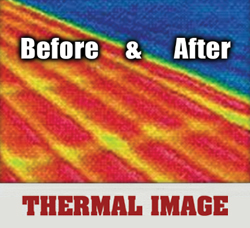 There are many commercial roofing products and systems designed to provide reflective or energy-efficient performance. The appropriate option depends on the existing roof, building design, climate, drainage, moisture conditions, structural condition, and the goals of the property owner.
Reflective coatings may be useful when the existing roof is structurally sound and otherwise suitable for restoration. They can create a continuous protective surface over properly prepared roof areas and may help extend the useful life of the roof while reducing solar heat absorption.
However, restoration is not appropriate for every roof. Before applying a coating system, the roof should be evaluated for wet insulation, structural deterioration, drainage problems, damaged roofing materials, failed seams or penetrations, and other conditions that may need to be corrected first.
Performance characteristics such as reflectivity, durability, fire ratings, weather resistance, warranties, maintenance requirements, and expected service life vary by roofing system and product. These should be evaluated using current manufacturer documentation and the specific requirements of the project.
A commercial roofing contractor can inspect the roof and discuss whether repair, restoration, reflective coating, or replacement is appropriate for the building.


