White and reflective roofing systems can offer a number of benefits for commercial buildings. By reflecting more sunlight and absorbing less solar heat than darker roof surfaces, they can help reduce roof surface temperatures and may contribute to improved building energy performance.
The actual benefits depend on factors such as climate, roof type, insulation, building use, HVAC efficiency, coating or membrane properties, and the condition of the existing roof.
Top White Roof Benefits
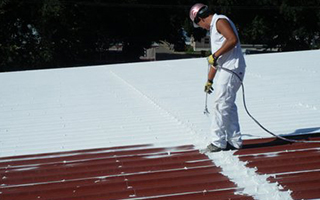
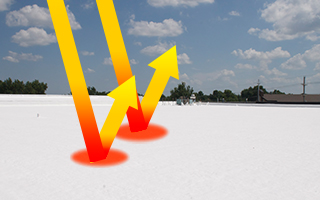
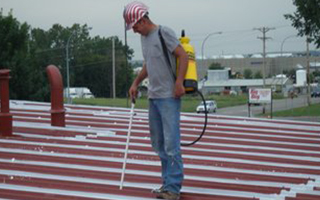
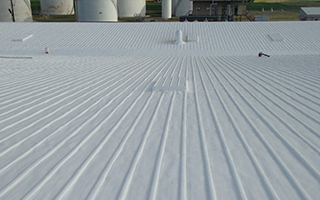
Potential energy savings: Reflective roofing can reduce the amount of solar heat absorbed by the roof. In some buildings and climates, this may reduce cooling demand and help lower energy use. Actual savings will vary based on the roof assembly, insulation, HVAC system, building use, climate, and other conditions.
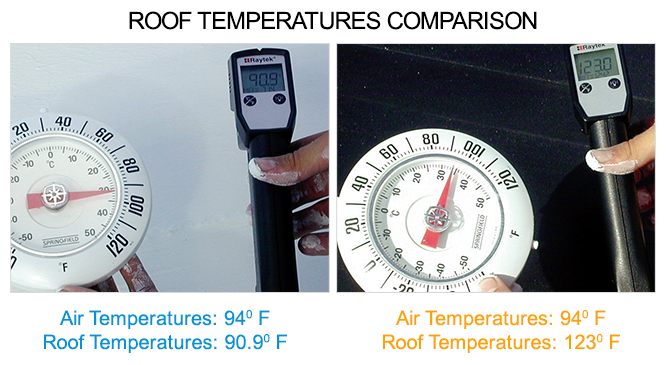
Lower roof surface temperatures: White and reflective roof surfaces can remain cooler under direct sunlight than darker roofing materials. Lower roof temperatures may reduce heat transfer into the building and can also reduce temperature-related stress on some roofing materials.
Potential urban heat benefits: Reflective roofing is one of several strategies that may help reduce heat absorption in developed areas. The overall impact on local temperatures or air quality depends on many factors beyond any individual roof.
Potential for longer roof service life: Reducing extreme roof surface temperatures and temperature swings may help limit some forms of thermal stress. However, roof life depends on many factors, including the roofing material, installation, drainage, weather exposure, maintenance, and the condition of the underlying system.
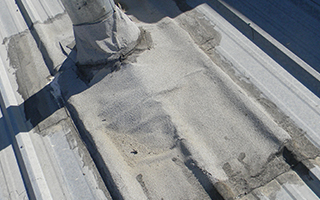
Maintenance remains important: White roofs still require regular inspection and maintenance. Dirt, biological growth, drainage problems, membrane damage, coating wear, seams, penetrations, and other conditions should be monitored and addressed as needed. Cleaning frequency will depend on the system, environment, and manufacturer recommendations.
Possible incentives or efficiency programs: Some reflective roofing products or energy-efficiency improvements may qualify for incentives, rebates, or programs depending on the location, project, product, and current regulations. Building owners should verify any available incentives with the appropriate local, state, federal, utility, or program authority.
Additional Considerations for Reflective Roofing Systems
It is clear that white and reflective roofing systems can offer meaningful benefits, but the right solution depends on the building and existing roof condition. Reflectivity alone should not determine which roofing system is selected.
Roof condition matters: Before applying a reflective coating or restoration system, the existing roof should be evaluated for wet insulation, structural deterioration, drainage problems, failed seams, damaged roofing materials, and other conditions that may need to be corrected first.
Restoration may reduce tear-off: When the existing roof is structurally sound and otherwise suitable for restoration, a reflective coating system may help extend its useful life while reducing the amount of material that must be removed and disposed of.
Performance varies by system: Reflectivity, durability, weather resistance, fire ratings, approvals, warranties, and service life vary among products and roofing systems. Product-specific claims should be evaluated using current manufacturer documentation and applicable project requirements.
Repairs and recoating may be possible: Some coating systems can be repaired or recoated as part of a long-term maintenance strategy. Whether recoating is appropriate depends on the condition of the existing system, adhesion, preparation requirements, and manufacturer specifications.
Proper installation is essential: The performance of any reflective roofing system depends on proper substrate preparation, installation, detailing, drainage, inspections, and maintenance.
With the right roof conditions and system selection, white or reflective roofing may provide a useful combination of solar reflectivity, roof protection, and restoration benefits. A commercial roofing contractor can inspect the roof and discuss whether repair, restoration, coating, or replacement is appropriate for the building.


