 Today we briefly examine a couple of common pros and cons of commercial roof replacement and roof coatings.
All types of commercial roofs have their strengths and weaknesses. Metal, EPDM, and other commercial roofing systems can provide long service when properly designed, installed, and maintained, but all roofing systems eventually require attention as they age and are exposed to weather.
When a commercial roof system does have problems, building owners may think it best to replace the entire roof. In some cases that may prove to be necessary—a commercial roof may have undergone so much damage or deterioration that replacement is the appropriate option. In other cases, however, repair or restoration may be a practical alternative when the existing roof is structurally sound and otherwise suitable for restoration.
So, when should a building owner consider one option over the other? We take a look at some of the factors below.
Should I Go with Commercial Roof Replacement or Roof Coating?
To begin, it is important to consider the additional work that may be involved in roof replacement. Depending on the existing system and project requirements, a commercial replacement job may include:
- Old roof tear-off costs
- Old roofing material disposal costs
- Landfill or disposal fees
- Additional labor
- Costs associated with new roofing materials
- Potential disruption to building or business operations
A new roof will also require inspection and maintenance over time. Like any roofing system, its future performance will depend on the materials, design, installation, weather exposure, drainage, maintenance, and other project conditions.
Roofing Services
Our professional commercial roof contractors provide:
- Roof maintenance & repair
- Inspections & leak detection
- Energy efficient roof systems
- Complete roof replacement
- Roof life-extending solutions
Roof restoration is not appropriate for every roof, however. Before applying a coating system, the existing roof should be evaluated for wet insulation, structural deterioration, drainage problems, damaged or failed roofing materials, and other conditions that may need to be corrected first.
For example, if a commercial roof has extensive deterioration, widespread moisture beneath the system, significant structural problems, or damage that cannot reasonably be addressed through repair or restoration, replacement may be the better option. A coating should not simply be applied over serious underlying problems in an attempt to postpone necessary corrective work.
Roof Replacement – The Bottom Line
Roof replacement can involve greater cost, material use, labor, and disruption than restoration, so it makes sense to determine first whether the existing roof can reasonably be repaired or restored. However, replacement should not automatically be treated as a last resort. There are situations where the condition of the roof makes replacement the most appropriate long-term solution.
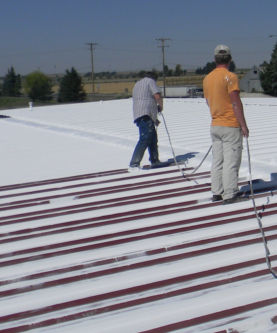
When the existing roof is structurally sound and otherwise suitable for restoration, elastomeric roof coatings or other restoration systems may help extend its useful life. The appropriate approach depends on the existing roof system, its condition, moisture levels, drainage, the building’s needs, and the specifications of the proposed restoration system.
Roof Replacement or Restoration Options
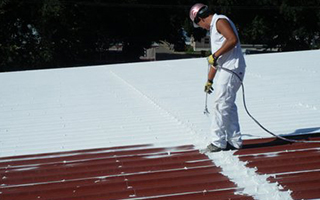
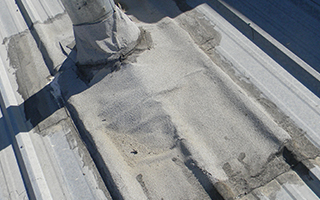
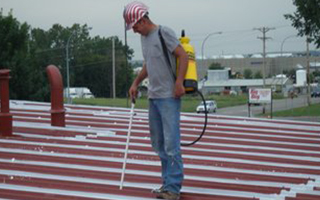
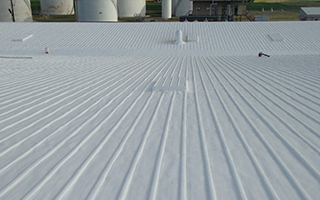
Commercial roofing projects can involve many different repair, restoration, coating, and replacement systems. The appropriate system should be selected based on the existing roof condition, building requirements, climate, drainage, applicable manufacturer specifications, and the expected performance of the proposed roofing solution.
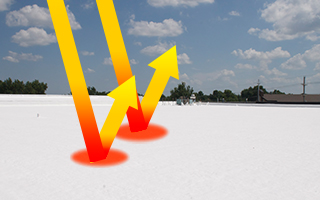
Reflective roof coatings can reduce the amount of solar heat absorbed by a roof, and some coating systems may be recoated or renewed as part of an ongoing maintenance strategy. Actual energy performance, warranty terms, service life, and maintenance requirements vary by system and project.
A commercial roofing contractor can inspect the roof and discuss whether repair, restoration, coating, or replacement is appropriate.
Choice Roof Contractor Group
 Choice Roof Contractor Group is a nationwide alliance of independently owned commercial roofing contractors. Members meet the group’s current membership requirements and benefit from shared knowledge, sales and marketing resources, professional connections, and the experience of a larger contractor network.
Members are independent commercial roofing contractors that perform their own inspections, provide their own recommendations to customers, and perform their own roofing work.
A member can evaluate your commercial roof and discuss the repair, restoration, coating, or replacement options that may be appropriate for your building.