Today, we build on a prior blog post about white roof coatings and take a look at these coatings’ track record.
White Roof Coatings Problems and Overview
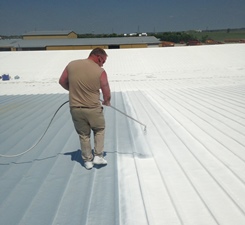 Since the concept of sustainability gained greater attention in the construction industry, white roof coatings have become a more common option in commercial roofing. But roof coatings are not appropriate for every roof, and their performance depends heavily on the condition of the existing roof, proper product selection, preparation, application, drainage, and maintenance.
Like other roofing products, coatings can develop a negative reputation when they are poorly selected or improperly applied. A roof coating needs to be installed at the specified thickness and under suitable weather and surface conditions if it is going to perform as intended.
In a short list, many problems with white roof coatings, and coatings in general, can be traced to the following:
- Too little coating product applied
- Coating applied during unsuitable weather conditions
- Coating applied outside the recommended temperature range
- Hasty or careless application
- Critical preparation or installation steps skipped
- Poor adhesion or application over an unsuitable existing roof substrate
- A coating product that is not compatible with the particular roof system
- An existing roof that has deteriorated beyond what a coating system can reasonably restore
These are some of the problems a building owner can encounter. However, when a roof is a suitable candidate and the coating system is properly selected, prepared, installed, and maintained, white roof coatings can provide useful performance and restoration benefits.
What Are Some Benefits?
Pros & Cons of Various Roofing Systems
Learn MoreCool roof coatings typically use white or reflective pigments that reflect more sunlight and absorb less solar heat than many darker roofing surfaces. When properly applied, they can help keep roof surface temperatures lower and may reduce heat transfer into the building below.
This can reduce cooling demand in some buildings, although actual energy savings depend on climate, insulation, HVAC efficiency, building use, roof construction, coating properties, and other factors.
What Is the Word About White Roof Coatings and Their Performance?
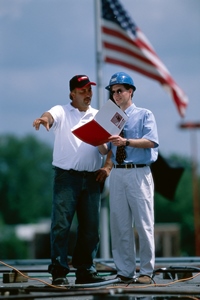 Building owners, facility managers, contractors, and researchers have reported a range of experiences with white roofing systems. Positive results often relate to lower roof surface temperatures, reduced cooling demand, and successful restoration of an aging roof when the existing system was a suitable candidate.
At the same time, results from individual buildings should not be treated as guarantees for every project. Roof condition, climate, insulation, building use, HVAC equipment, product selection, preparation, installation, and maintenance all influence performance.
The U.S. Department of Energy has described cool roofs as roofing surfaces that reflect more sunlight and absorb less solar heat than conventional darker roofs. This basic principle is why white and other reflective roofs are often considered when building owners are looking for ways to reduce roof temperatures and cooling demand.
Other Benefits and Considerations for White Roof Coatings
Need an Expert?
Our group works together to provide:
- Larger Base of Knowledge
- Group-Wide Accountability
- One Source for All Projects
- Set Standards for Service
- More Peace of Mind
When the existing roof is structurally sound and otherwise suitable for restoration, a white roof coating system may offer benefits such as:
- Reduced solar heat absorption
- Lower roof surface temperatures
- Potential reductions in cooling demand
- A continuous protective surface over properly prepared roof areas
- Reduced tear-off and disposal compared with full replacement when restoration is appropriate
- Potential extension of the existing roof’s useful life
- Repair and recoating options for some systems when conditions allow
A coating should not be expected to stop every leak, correct structural problems, or restore every aging roof. Before installation, the roof should be evaluated for wet insulation, structural deterioration, severe corrosion, drainage problems, damaged roofing materials, failed seams or penetrations, and other conditions that may need to be corrected first.
Performance characteristics such as reflectivity, durability, weather resistance, warranty terms, maintenance requirements, and expected service life vary by product and roofing system. These should be evaluated using current manufacturer documentation and the specific conditions of the project.
A commercial roofing contractor can inspect the existing roof and discuss whether a white roof coating, repair, restoration, or replacement is appropriate.


