 Today, we examine the potential benefits of white roof coatings and other reflective roofing systems for commercial buildings.
A 2008 science research conference estimated that wider use of cool roofs across the United States could produce substantial energy savings. In addition to potential improvements in energy efficiency, reflective roofing can reduce the amount of solar heat absorbed by a roof and may provide environmental benefits depending on the building, climate, and surrounding area.
White Roof Coatings Gaining in Popularity
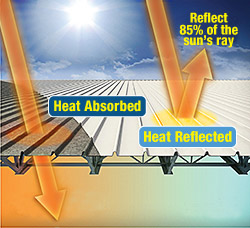
White and reflective roofing systems have become an established option for commercial buildings because they can reflect more sunlight and absorb less solar heat than darker roof surfaces.
One common option is elastomeric roof coatings. When properly selected and installed on a suitable roof, these fluid-applied systems can form a continuous protective surface over the treated roof area.
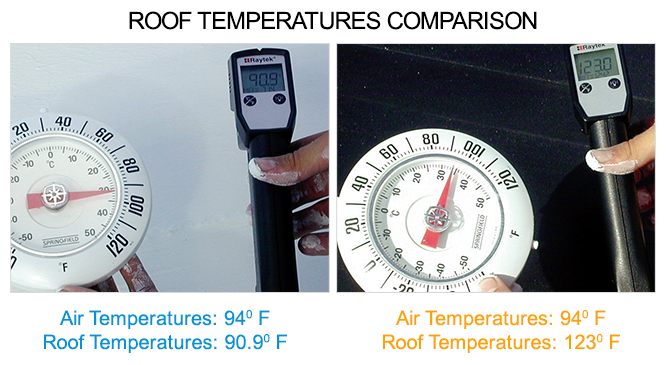
A reflective roof surface can reduce roof surface temperatures and may reduce cooling demand in some buildings. Actual energy savings will vary based on climate, insulation, HVAC efficiency, building use, roof construction, coating properties, and other factors.
Reflective roofing can also contribute to broader efforts to reduce heat absorption in developed areas. However, the effect of an individual roof on local temperature, energy use, or environmental conditions depends on many variables.
Additional Benefits and Considerations
White and reflective roof coatings can provide more than solar reflectivity when they are installed as part of an appropriate roof restoration system.
- Potential cooling-energy benefits: By reducing solar heat absorption, reflective roofing may help lower cooling demand in some buildings. Actual savings vary by project.
- Roof restoration potential: When the existing roof is structurally sound and otherwise suitable for restoration, a coating system may extend its useful life while reducing the need for complete tear-off and replacement.
- Reduced tear-off and disposal: Suitable restoration projects may allow much of the existing roof to remain in place, reducing material removal and disposal compared with full replacement.
- Continuous protective surface: Many fluid-applied coating systems create a seamless surface over the treated roof area, although proper preparation, detailing, drainage, and ongoing maintenance remain essential.
- Maintenance and recoating options: Some coating systems can be repaired or recoated over time when their condition and manufacturer requirements allow it.
- System-specific performance: Reflectivity, durability, weather resistance, fire ratings, warranties, and expected service life vary by product and roofing system and should be evaluated using current manufacturer documentation.
Reflective roof coatings are not appropriate for every commercial roof. Before restoration, the existing system should be inspected for wet insulation, structural deterioration, drainage problems, damaged roofing materials, failed seams or penetrations, and other conditions that may need to be corrected first.
When the roof is a suitable candidate, a white or reflective roofing system may provide useful benefits related to solar reflectivity, roof protection, and restoration. A commercial roofing contractor can inspect the roof and discuss whether repair, restoration, coating, or replacement is appropriate for the conditions present.


