Commercial Roof Replacement Cost


Today’s blog post takes a close look at something of interest to building owners and managers—commercial roof replacement costs. Replacing a roof can be one of the biggest capital expenditures a building owner or facility manager makes. This post builds on one of earlier posts about commercial roof maintenance costs.
roof-replacementHow much does a commercial roof replacement cost? One study reports on a roof with average dimensions of 10,000 square feet, a new commercial roof can cost over $42,500, or over $4.25 per square foot. That study also found 80% of the roofs tracked had been replaced before they needed to be.

In another case, the roofing and pavement consulting firm Benchmark presented a cost range from retail roofing projects it has examined. Benchmark reported on a majority of retail roofing projects it has looked at, roof replacement costs generally range from $3.50 to $6.50 per square foot. However, the cost depends on whether a project was aiming for roof recovery or consisted of a complete tear-off and replacement job.

Find Out How Much Your Project Will Cost

Request an On-site, Exact & Fair Estimate Enter Zip CodeGo
Other sources have reported commercial roof replacement costs can vary from $7.00 to $12.00 per square foot. In all of these cases, there is one critical thing to keep in mind. Using an average commercial roof replacement cost for estimating a single project can be problematic, since project costs can vary depending upon labor inputs or project complexity. However, using it to budget for a portfolio of multiple property holdings is far more valuable.

Commercial Roof Replacement Costs over Time
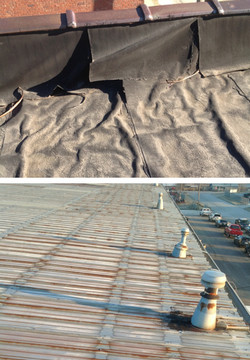
commercial-roof-cost-overtimeOne well-known study looked at commercial roof replacement costs over time. The study drew upon data collected over a space of 9 years. The study concentrated on lifecycle costs for low slope commercial roofs that were chosen from among 100,000 square meters of roofing on 38 buildings owned by Carnegie Mellon University (or 1.08 million square feet of commercial roofing on 38 buildings, approximately). This overall roofing network ranged from newly-installed roofing systems to roofing systems over 50 years old. The entire network was valued at between $22 million and $32 million, when an average roof replacement cost of $215 to $323 per square meter (costs accumulated over 9 years) was used.

All of the buildings were located within Pittsburgh, Pennsylvania, which made them subject to the same climate conditions and some other variables. All of the roofs had insulation installed under them that met the requirements set by local climate conditions.

The low slope commercial roofs were chosen because they were the most prone to leaking problems. The researchers also said low slope EPDM and SBS modified bitumen roofs could be considered representative of the data used in this study.

Carnegie Mellon University Roof Study Results

Pros & Cons of Various Roofing Systems

Learn More
From July 1998 to December 2006, the university’s database for the entire roof network showed 1,781 roof leak-related work and repair records. It came out to an average of 200 leaks per year or 5.2 leaks on each building annually.

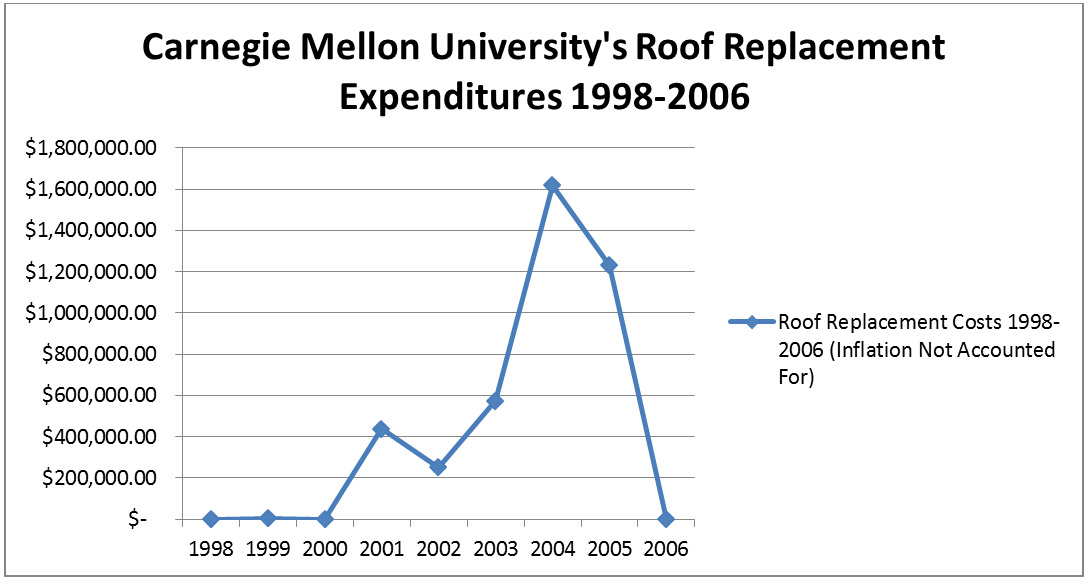
In terms of 2006 dollars, the average roof replacement cost came out to $269 per square meter over 9 years, or $4.5 million spent on replacement of 16,900 square meters over a 9-year stretch. From 1998 to 2006, roof replacement costs, termed “owner capital costs”, ranged from $0 to approximately $1.62 million, or a total of $4.12 million for the entire time span.
roof-replacement-study

The variances in roof replacement costs show the importance of thinking about commercial in terms of lifecycle. Among other things, roof budgeting relies upon two primary factors: the roof’s service life expectancy and how much square footage the roof’s dimensions consist of.

Put Off Roof Replacement with Roof Restoration

Need an Expert?

Our group works together to provide:

  • Larger Base of Knowledge
  • Group-Wide Accountability
  • One Source for All Projects
  • Set Standards for Service
  • More Peace of Mind
Free Local Quote Enter Zip CodeGo
As the first study indicated, it would seem many commercial roofs are replaced before they need be. In terms of the first roof’s protection value and additional benefits being cut off early, those translate into thousands, if not tens of thousands of dollars in sunk costs.

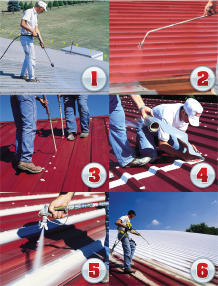
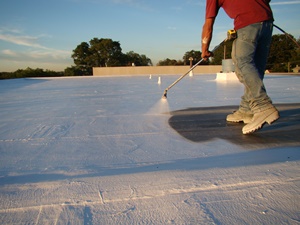
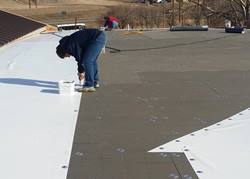
There is a cost-effective, life-extending option that building owners or facility managers can opt for. Roof restoration, or a process in which liquid-applied roofing products are installed over an existing commercial roof, can extend an existing roof’s life for years, if not decades, and help save thousands over the long run. In this process, the liquid-applied roofing products refer to commercial roof coatings, or coating products that are formulated to create a new, seamless roof membrane over an existing roof substrate. Because it is a coating process, roof restoration usually does not require tear-off costs or heavy expense burdens associated with commercial roof recovering or re-roofing projects.

Conklin Products Offer Great Roof Restoration Solutions

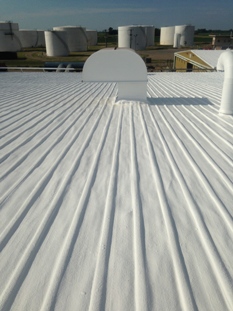
roof-replacement-studyTo deliver the best value to building owners and facility managers, Choice Roof Contractor Group uses Conklin roof restoration products. These products have been installed on over 2 billion square feet of roofing in the United States. On top of that, they have been a trusted choice by building owners, facility managers, architects, building engineers, and other construction experts and professionals for over 40+ years. When they are applied, on top of the completely seamless and fully adhered roofing membrane they form, Conklin roofing products leave behind a white, highly-reflective roof surface.

In a nutshell, here are what Conklin products can do for you:

  • Extend an old roof’s life for another 20 years or longer (many coating products only extend 10-15 years)
  • Save up to 50% on avoided commercial roof replacement costs
  • Backed by non-prorated warranty for up to 18 years
  • Certified by third party organizations to resist hurricane-force winds, hail, UV-ray deterioration, thermal shock, and more
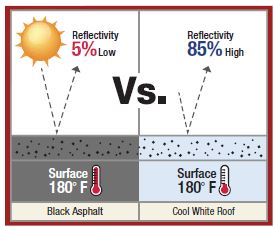
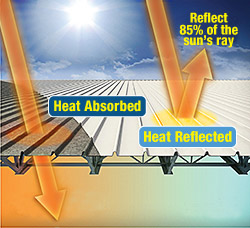
  • Reflects up to 85% of the sun’s rays, making them cool a roof surface up to 80° and save up to 15% on annual energy costs (or even more, especially with an SPF roofing system)
  • Strengthened building structural integrity with little-to-no deadweight added
  • Easily applied during business hours without operations having to be shut down
  • So much more

To learn more about the systems our members use, please call us at 800-670-5583. We would happy to tell you how a Conklin restoration system can bring much-needed life to your roof for years.


Another Craftsman Finds Dynamic Business Potential in Commercial Roofing

We’ve heard many stories of how Conklin roof coatings and membranes have brought powerful, transformative opportunities to life for new and experienced contractors. From encouraging tales of budding entrepreneurship to dynamite company growth, there’s been no shortage of testimonials from people whose lives have been changed. Today, we take a look at how Conklin and other timely resources are helping a young, capable Wisconsin craftsman carve out his emerging success story.

Small Town Setting, Big-Time Potential

Simon TroyerBased out of the small village of Coloma, Wisconsin, Simon Troyer says he’s always enjoyed doing construction. And now that he has a commercial roofing division up-and-running as part of his business, he is tremendously excited for the future.
When asked to describe his professional background up to this point, Simon says it’s been a gradual process. With the business opportunities from Conkin and dedicated support from Choice Roof Contractor Group, though, Simon truly feels confident in his business outlook.

Like many great stories, Simon’s story is rooted in humble beginnings. It starts with his entrance into the construction industry around eight years ago or so.

Setting the Foundation

In 2007, he embarked on a career in construction, slowly before he was married. In those days, Simon worked with family on various small construction projects and occasionally completed work that came his way. He had grown up in a sawmill and on a family dairy farm, and from there he had been looking for a change of pace.

Over the years Simon honed his technique as well as his passion for construction and helping others, qualities which define his business to this day. Bit-by-bit, he learned the ins-and-outs of many aspects of carpentry, remodeling, roofing, and others. It set a firm foundation for when he would start out in business for himself.

Entrepreneurship Beckons

After five years of working with others, Simon decided he wanted to strike out on his own. He desired to provide a stable life for his family, and the independence and profit potential that come up with business ownership were hard to dismiss. With his construction skill set, Simon was confident he would be able to run his own business. In late 2012, desire became reality. Simon launched Troyer Carpentry, buoyed by the craftsmanship skills he had developed over the years as a quality-minded construction professional.

When Simon recalls those days, he says that times were good, but he remained on the lookout for additional business opportunities that would strengthen his family’s quality of life. It wasn’t clear yet, but Simon had actually come across the Conklin business opportunity that would open up new doors for him later. In the months before he formally started his own business, a friend introduced him to Conklin and spoke of the opportunities. Simon’s interest was piqued, but he wasn’t quite ready to take the leap.

Timely Re-Encounter

A few years later, Simon had built his business to be a respectable company that performed occasional residential repair work along with bigger-scale home construction projects. His desire to better his family’s well-being remained as strong as ever. He had examined other business opportunities, but close scrutiny had revealed them to be not so promising. A chance re-encounter with the Conklin business opportunity proved to be a turning point.

About two years or so after he had first heard of Conklin, Simon was again reacquainted with it by who is now fellow Choice Roof Contractor John Miller of A-1 Roofing Systems. This time around, Simon was more impressed by what Conklin offers. John spoke of how long Conklin had been around as a company, and how others were achieving the financial security they’d dreamed of with its diverse product line. Simon appreciated how he’d have more time to spend with his family, along with how he’d be helping other people with Conklin’s great products.

Taking the Leap

After seeing what he could accomplish with this unique opportunity, Simon decided to take the plunge. He signed up in Conklin, and he went to its comprehensive roof systems training in June 2013. At the training program, Simon says he was tremendously impressed by the depth of the instruction itself. It truly gave him the confidence that he could add a new division to his construction company—a commercial roofing business unit—and he could give his family the life he wanted them to have.

New Developments and Emerging Opportunities

In time, Simon heard of another appealing group that built on top of Conklin’s roofing business opportunity. John Miller spoke of a group that offers dedicated support and resources to help contractors achieve success, Choice Roof Contractor Group. Simon says now he was impressed by the network’s free lead generation as well as its lifetime mentorship and support programs.

A prudent business owner, Simon slowly began interacting with Choice Roof Contractor Group and its support team. In time, he saw firsthand how he could benefit from it, and in April 2014, he signed on as a full member.

Based on his expertise as a construction professional as well as his experience with the Conklin products, Simon was appointed “Choice Roof Contractor” status. Now that he has joined the group, Simon has been actively bidding on commercial roofs and taking on new opportunities to take his rebranded construction company, Troyer Roofing & Construction, in a new direction. It’s a dramatic change from where Simon says he was just seven years ago.

Simon’s Thoughts

When asked about advice he would give to new contractors or people who are considering taking up commercial roofing, Simon emphasizes that action is needed today. It doesn’t pay off if one waits to do something for months or years, because he or she is foregoing great opportunities that could be around the corner.

Simon also expresses his confidence about the future and its potential for him, his business, and his family. He’s grateful for the support he’s been given by Choice Roof Contractor Group, and with a little bit of time and this great support network at his back, there’s no limit to what he can accomplish. In a nutshell, he feels empowered to scale his business to new heights and to inspire others to do the same. After all, Simon says, they can look at what he has done—made a transformation from a budding craftsman to a capable professional who’s ready to take his business to the next level. All it takes is the determination and resolve to begin with that critical first step, and you can open the door to a world of boundless opportunity.

Should you be interested in learning more about Conklin and our support network, give Simon’s business a call at 855-552-2343. He would look forward to discussing how we can give you dedicated support for helping you establish your own successful business.

See more of our latest posts below:

Subscribe to RSS headline updates from:
Powered by FeedBurner

Commercial Roof Lead Generation

entrepreneur dailyToday’s blog post takes a look at an area of importance for commercial roofing contractors—commercial roof lead generation. We examine the different methods of lead generation available today. The post then concludes by spelling out details of Choice Roof Contractor Group’s own roofing leads generation program.

Roofing leads are a staple of any commercial roofing business. Whether a roofing company is an established, respected enterprise or an up-and-coming roofing vendor, leads represent new opportunities to grow and scale. Their importance cannot be overstated.

Methods of Commercial Roofing Lead Generation

With the Internet and other technological innovations, there have been many new marketing methods for generating commercial roofing leads that have emerged. Here is a brief overview of the more mainstream methods used today.

  • Direct mail. Despite the power of the Internet, there are some roofing marketing strategies that have not gone out of style. Direct mail campaigns continue to be a powerful method for generating commercial roofing leads. A direct mail campaign can cost thousands of dollars, but if it lands you just one lucrative commercial roofing job, the campaign can pay for itself. In this marketing strategy, thousands of mailer pieces are sent out to targeted prospects within a given area, usually building owners or key contacts within a certain radius of mileage from a central location. When they receive the direct mail pieces, it is likely that some of the targeted prospects will call up the roofing contractor who sent out the mail pieces, so they can discuss their needs or arrange for an inspection.
  • Telemarketing. The telephone also continues to play a strong role in roofing industry marketing. A commercial roofing company can purchase a list of prospects, which it will use to call customer prospects and solicit its services. Or it can generate its own calling lists by using information hubs such as the Better Business Bureau or other accessible sources with listings of local businesses. While telemarketing is an established lead generation method, it typically does not perform well by itself. The reason behind why this is the case is simple. When a roofing business calls someone on the phone, generally speaking it is pitching its services to the prospect without him or her having any knowledge of what the company has to offer. Even worse, the prospect is unlikely to know the roofing company even exists until that moment. Because of the lack of consumer awareness, a roofing contractor faces an additional obstacle of lack of company brand awareness when using telephonic contact for his market outreach. Successfully gaining a business relationship over the phone may take several phone calls to the same person or call attempts to several people before a prospect is converted into just a lead. For this reason, telemarketing is time-consuming and, by itself, does not offer the best option for lead generation in terms of large amounts of time spent.
  • Websites. Having a professional online presence is a powerful method for generating leads, as it can provide extensive consumer information about a roofing company’s background, expertise, and quality of products used. A website can also showcase galleries of past roofing jobs completed, which serve as visual demonstrations of a roofing company’s credibility and experience. In a way, you can think of a roofing company website as an ongoing consumer advocate for a roofing company. It does not have any hours of operation, and it is available for quick access and viewing. An effective website will leave visitors with a “call to action”, which usually consists of making a call to the roofing company for arranging a free estimate or an appointment to weigh opportunities for a business relationship. Websites are both an effective method of lead generation and closing deals.
  • Social media. With the advent of the Internet, there have been advancements made in how people communicate with one another. Social media platforms offer ample opportunities to be interconnected with millions of consumers and interact with those who are likely to become paying customers. For roofing companies, social media offers a great opportunity not only to generate leads, but also build up public awareness of their brand, which in turn increases their market recognizability. By building up an online following, roofing companies can build up a steady trickle of leads which they can approach as potential customers or referrals to people who are better-suited for their services. However, like other marketing methods for lead generation, social media marketing does not perform well by itself. It has lower conversion rates, in terms of leads generated or even sales produced, than other marketing methods often produce. For this reason, social media marketing is most effective when it is paired with other marketing approaches for mixed, dynamic marketing outreach efforts.

These are just a few of the methods roofing contractors have at their disposal for commercial roofing lead generation. When used in tandem with each other or other marketing methods, they can create a powerful marketing outreach program. Leads are more likely to be attained with a comprehensive, mixed, well-timed approach.

Choice Roof Contractor Group and Lead Generation Benefit

At Choice Roof Contractor Group, we are fully committed to the success of quality-minded commercial roofing contractors. That is why we help members gain access to high-quality leads that have viability of becoming commercial roofing service buyers. Our lead generation is powered through our large online presence (our 300+ pages generate thousands of unique visitors), and many roofing contractors already have benefited from our high-quality leads.

On top of lead generation, Choice Roof Contractor Group gives commercial roofing contractors access to full-service, customized marketing support via a special partnership with Top Roof Marketing, the only nationwide marketing firm committed exclusively to the needs of commercial roofing contractors. Network members are extended a slew of other benefits as well, for their ongoing benefit and long-term business success. See all the benefits or reach out to a member here: Achieve Greater Success with a Nationwide Support Network of Commercial Roofing Professionals.

Should you be interested in learning more about becoming a member or strategic partnerships, give us a call today at 800-670-5583. We look forward to telling you more about how we are partnering with roofing contractors to help them achieve their own roofing success stories.

Free Guide: How to Switch to Commercial

10 Complete Steps Developed by Members

    eBook version is emailed immediately.

    7 Things Successful Entrepreneurs Do Every Day

    entrepreneur dailyTake a good look at any successful entrepreneur, and you’ll likely notice one thing that’s probably common to them all. All well-to-do businesspeople set goals and then strive for them. In many ways, it’s common sense: goals provide a concrete sense of what you’re aiming for, a benchmark for how you’ll achieve it, and a baseline from which you’ll start. What may be surprising, though, is just how often successful entrepreneurs set goals—on a daily basis! In retrospect, though, it makes sense.
    Over the long term, achieving success requires good daily habits. After all, the most-successful businesspeople are constantly educating themselves and improving their knowledge, skill set, and overall capabilities. If someone desires to build and run a successful company, habituating and practicing these good habits is essential.

    7 Things to Aim for Daily

    1. Plan Your Day Out. Toward the beginning of the day—preferably as soon as it begins—it’s wise to take a look at your calendar and map out what your day’s going to look like. If you work better at a certain time of day, set aside time blocks in those hours for getting important things done. Be sure to keep on top of these tasks for the day, and follow through on them to ensure they are accomplished. Over time, those daily task completions will lead to new company developments that’ll be worth all the effort you put in.

    2. Put a Premium on Your Time. Of all the resources at your disposal, time is the one resource you can never get back or ever get enough of. Once it’s gone, there’s no getting it back, so strategic priority-setting is critical. Commit to doing the most important things for you, your company, your goals, and other things that are important, such as family. Avoid distractions, do your homework before any important phone call or meeting, and don’t be afraid to say no to some things.

    3. Listen to Others. No one person has all the answers. Being able to listen to others’ input is not only productive, but also necessary. Carefully listening to what others have to say without interrupting also eliminates opportunities for miscommunication or misunderstandings. Of course, those can lead to a need for clarification or shoring-up later on, so careful listening can strengthen a business’ operations, stabilize relations between colleagues, and keep workplace morale up. Don’t forget the importance and inestimable value of saying “please” and “thank you” as well.

    4. Remember Your Company’s Goals. As we’ve discussed in a previous blog post, successful businesses aren’t built in a day. It takes time to iron a business’ kinks out, establish proof of concept, and ensuring everything is performing well and up-to-speed. Be sure to take out a little bit of time each day to review your company goals. That’ll help keep you on par and focused on accomplishing what you need to for the day. Taking note of your company successes, such as the most profitable part of your business or a hard-to-get customer that you attracted, will strengthen your daily performance as well.

    5. Buckle Down and Focus. One of the most valuable things someone can learn to do is focus on the task in front of him or her. In today’s fast-paced world, it’s easy to be tempted to multi-task or be distracted. Other things, such as small glitches or unimportant details, can be distracting and time-consuming as well. An entrepreneur should cultivate the virtue of flexibility so he or she can adapt when needed. But being able to singularly focus on the task-at-hand and get it done cannot be overstated enough.

    6. Get Some Social Time In. Being productive is essential for making sure your daily task list is dwindled down or completed. But one shouldn’t underestimate the importance of taking a small bit of time out for socialization, either. Human beings have a social dimension to them, and it is necessary to get that time in so you maintain a healthy balance between your workload and soundness-of-mind. Taking just a minute or two to fraternize with co-workers and discuss your company’s expansionary plans or what you’ve accomplished can truly do wonders.

    7. Keep in Mind There’s only 24 Hours in a Day. It may seem like a rehash of the second point, but it’s not. Since there’s only so much time in a day, prioritizing your daily goals and tasks is very important. Be aware of how this dynamic can play out with others, too. If you have any important calls to make to someone else, be aware of the time within the week that’s best to reach them. Do your co-workers have certain times at which they perform best? Then be respectful of their time so they can maximize their work output. Be committed to your business’ success, but don’t burn yourself or your colleagues out. After all, sometimes even the most-pressing challenges are best tackled with a refreshed outlook. Above all, an excellent guiding principle should be to aim for balance in your life— maintaining a healthy scale between your business, your family, your own responsibilities, your social and spiritual life, and yourself will be of tremendous value to yourself and those around you.

    And if you’re just starting off with a new business, be aware of how taking the first step can be the most difficult.

    Looking to Build up a Commercial Roofing Business? Choice Roof Contractor Group Can Help!

    If you’re looking to take your roofing business to the next level, or you’re just starting out, we can help. Choice Roof Contractor Group offers a specialized, full-support platform for helping you get access to the resources, knowledge, and experts you need for building an enduring success story. Among the many benefits our members enjoy are:

    • Free roof leads generation
    Lifetime mentorship from highly-successful and highly-experienced roofing professionals
    • Top-of-the-line, effective coaching for closing sales
    • Customized, full-service marketing support
    • Huge profit potential with discounted roofing products
    • Creditable nationwide professional endorsement with our network behind you
    • Compelling sales materials and talking points for your success
    • So much more!

    Our group uses high-performance, energy-efficient Conklin roofing products on commercial jobs. We chose these products because they have been a proven line of roofing solutions for building owners across the United States for over 40+ years. With these great products, many new Conklin roofing contractors report adding a six-figure revenue stream to their bottom by the second quarter of the second year after they started using Conklin products.

    For more information about our unique program and how we can help you, please call 800-670-5583 or use our contact form. We look forward to hearing from you!

    White Roofs and the Urban Heat Island Effect

    dark commercial roofToday’s blog post takes a look at one of the biggest concerns in commercial roofing— the “urban heat island” effect. This effect refers to when a city setting is warmer than a rural location. Another topic of examination that will be covered is a solution being used for this issue— a white, reflective roof coating membrane system.

    According to the United States Environmental Protection Agency, cities with one million people or more can be 1.8-5.4°F warmer than their surrounding areas. During the evening time, city landscapes can be warmer by as much as 12°F. What accounts for this difference?

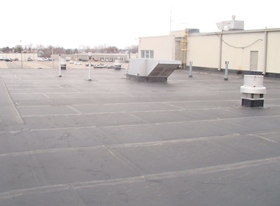
    Buildings and other man-made structures absorb lots of heat during the day. In particular, roadways made with asphalt or buildings with dark-colored commercial roofs tend to absorb solar radiation and retain lots of heat, and later emit it at nightfall. In the countryside, plants and vegetation store up much less heat than buildings do in the city. Ultimately, that means they release lesser amounts of heat at night than buildings and other structures do in a city landscape.

    Consequences of the Urban Heat Island Effect

    According to the U.S. Environmental Protection Agency, there are a few things that stem from this heating phenomenon, which are listed below:

    • Increased peak energy demand in the summer season
    • Bigger air conditioning bills
    • Greater amounts of air pollution
    • Increases in number of health cases related to overheating
    • Affected water quality

    The EPA reports the urban heat island effect can give way to heat-related deaths, but on the whole studies have been less-than-definitive or hardly conclusive about confirming that risk.

    A research report from Lawrence Berkeley National Laboratory puts a number value on the influence of the urban heat island effect on peak energy demand. In the report, it was found that the warmer air temperatures could account for 5-10% of urban peak energy demand for air conditioning.

    White Roofs to the Rescue

    white roof vs black roofOne solution that has been adopted to reduce the impact of these effects is the white roof. Dr. Arthur Rosenfeld, a pioneer in the field of energy efficiency and Distinguished Scientist Emeritus at Lawrence Berkley National Laboratory, has advocated white roofs (and cool roofs in general) as a way to combat the effects of the urban heat island effect for over 40+ years. In an article on Grist.com, Rosenfeld reportedly once calculated people in the Los Angeles basin would save $170 million in energy costs and health-related expenses per year if white commercial roofs were installed throughout the area.

    Others have confirmed white roofs’ energy saving potential as well. In 2010, then-Department of Energy Secretary Steven Chu said if 85% of air-conditioned buildings in the United States had white roofs, the United States could see up to $735 million in energy savings per year.

    Aside from their mitigating effects on the cost burdens of the urban heat island effect, white roofs help in other ways as well. A white roof reflects solar radiation back into the atmosphere instead of mostly absorbing it, which means the commercial roof’s surface stays cooler than usual. As a result, air around the white roofs remains much cooler, and the adverse environmental and health effects associated with the urban heat island effect are minimized.

    White Roof Energy Savings with Conklin® Roofing Products

    For white roofs that are formulated with roof coating products, Conklin® was the company that created and introduced the first white, reflective acrylic roof coating to the commercial roofing industry, in 1977. Since then, Conklin® has continued to play a leading role in the growing use of white roofs. At present, over 2 billion square feet of roofing in the United States has Conklin® roofing products on it.

    There are many benefits associated with a Conklin® white, reflective roof coating membrane system. These numerous benefits include:

    • Completely seamless and waterproof roofing protection
    • Fully adhered roofing application
    • Applicable to almost all commercial roofing types
    • Extends an old commercial roof’s life for many years (some roofs have been known to last for 25-40+ years or longer)
    • Requires less maintenance and roof cleansing than other systems available on market
    • Carefully formulated to resist powerful winds, hail storms, and other outdoor hazards
    • Resists deterioration caused by sun exposure over time
    • Tremendous annual savings of up to 15% (or perhaps more) with products’ strong thermal reflectivity
    • Non-prorated warranty coverage on all labor and material costs

    Conklin® has been a leading choice for high-performance, energy-efficient roofing solutions for roofing contractors, building owners, facility managers, architects, property management firms, building engineers, and other professionals for over 40+ years.

    Choice Roof Contractor Group uses these great roof systems because of their established success record. Should you be interested in learning more about how a Choice Roof Contractor can aptly meet your needs, call us at 800-670-5583 for a free roof estimate.

    EPDM Rubber Roofs and Roof Coatings

    Today’s blog post looks at the performance value of a great commercial roof system, single-ply EPDM rubber roofing, and how it can be enhanced with a commercial roof coating membrane system. We start by reviewing a few basic facts about EPDM rubber roofing in the United States, and then take a look at how a reflective, white roof coating system adds even more customer value.

    A Few Basics about EPDM Rubber Roofing

    spray foam roofingEthylene propylene diene monomer roofing (or simply EPDM rubber roofing) is the oldest single-ply membrane system used in the United States, to date. This type of roofing has been used for over four decades. According to the National Roofing Contractors Association, EPDM rubber roofing accounts for 25 percent of the roofing market, making it a leading option for new roofing and retrofit projects. Every year, more than 1 billion square feet of EPDM rubber roofing is installed on new roofing projects.

    Currently in the United States, there are over 500,000 warrantied EPDM rubber roof installs on over 20 billion square feet of space. EPDM rubber roofing does come in white and lighter-colored membrane options, but the most-common EPDM rubber roofing is dark-colored.

    Commercial Roof Coatings Enhance EPDM Rubber Roofing’s Effectiveness

    An EPDM rubber roof does last for up to 40+ years or more, and it does have strong puncture resistance, strong edge-to-edge protection, and other powerful weathering-resistant features. A commercial roof coating membrane system, though, can add more bullion to an EPDM rubber roof’s overall value. Here are few ways in which it can do so.

    • Punctures- EPDM roofing is known for its robust strength against puncturing, but even the best-performing roofs can succumb to sharp or obtrusive objects such as hail. A roof coating membrane system adds another layer of seamless protection over the EPDM rubber roof, strengthening its weathering capability.
    • Seams- Many EPDM rubber roofs have seams. These seams are sealed off from the elements with strong seam tape, but prolonged sun exposure can result in the seams coming apart. As the seams separate over time, water can infiltrate the roof system below the surface and do its damage. A roof coating application will up the EPDM rubber roof’s protection value by sealing the rubber roof under the new roof membrane the coating forms. This new, white roof membrane is completely seamless and has exceptionally strong waterproof properties, making it a strong resistant against leaks and other outdoor conditions.
    • Sun exposure- An EPDM rubber roof’s seams, or seams on nearly any roof system made up of sheet product for that matter, will be spread apart over time due to the sun’s effects. EPDM rubber roofs do a great job of holding up against this influence, but a roof coating membrane system has “elastomeric” properties, or specialized features that allow it to expand and contract in the sun’s heat with ease. Because it has such great flexibility, the effects of the sun on this roof are further minimized.
    • Curbs and rooftop units-Of all places on an EPDM rubber roof, 90 percent of leaks occur around curbs or rooftop units such as HVAC systems. When leaks do happen, it is usually attributable to shoddy contractor workmanship. In these areas, contractor technique plays a huge part in whether the area-in-question holds up against leaks. On top of covering exposed seams, a roof coating system can shore up these potential weak points and make water entry much less probable.
    • Roof surface- EPDM rubber roofs are known for their outstanding protection value, but they can get hot due to their black coloration. Their roof surface heats up, creates a hot environment for rooftop appliances, and then allows heat to transfer to the building below. Thereafter, the building heats up, and the air conditioning system works harder to keep the building’s interior cool. The dark roof surface also means the EPDM rubber roof will take in heat during the day and then release it at night, which produces the “heat island” effect in urban areas (cities with buildings or suburban settings). A roof coating membrane system will coat the EPDM rubber roof with a new, white membrane surface. This new roof surface will reflect a majority of the sun’s energy, keeping heating effects at bay and opening up doors for huge energy savings.

    Conklin Roof Coating Products at Work

    spray foam roofingFor EPDM rubber roofing, Choice Roof Contractor Group offers a Conklin® roof coating membrane system, which has been a trusted, energy-efficient roofing option for over 40+ years. This system comes with several great benefits including:

    • 85 percent reflectivity of the sun’s rays
    • Edge-to-edge, completely seamless, completely waterproof, fully adhered roofing protection
    • Retain very little heat during the day due to their white roof surface
    • Strengthen an EPDM rubber roof’s resistance against building movement
    • Add another layer of protection against powerful winds, hail storms, rain, and other conditions that cause roof damage
    • Exceptional tensile strength and elongation in the face of prolonged sun exposure
    • Water-based composition for environmental protection and easy cleanup
    • Non-prorated warranty coverage on all labor and material costs
    • ENERGY STAR® qualified properties for tremendous energy savings
    • So much more!

    For more information about our coating membrane system, as well as the coating products compatible with EPDM rubber roofing, please give us a call at 800-670-5883. 

    What is a Public Adjuster?

    Today’s blog post covers the field of public adjusting and how it can be of value to building owners or anyone who dealing with a property-related insurance claim.

    When a commercial or industrial building has been damaged or destroyed, going through the insurance claim process can be arduous and time-consuming. Proceeding from filing an insurance claim to receiving a claim settlement can take lots of effort, and with larger settlement amounts it can be even more involved.

    A public adjuster is one of three kinds of professionals who become involved in the insurance claims process. The other two kinds of claims adjusting professionals are staff adjusters and independent adjusters. Staff adjusters are directly employed by an insurance company, and independent adjusters are hired by an insurance company as independent contractors. They report only to the insurance company employing them and are there to represent the insurance company’s interests.

    A public adjuster, on the other hand, exclusively represents the policyholder in an insurance claims process and helps him or her negotiate a settlement. They have no relationship with the insurance company and therefore serve as a third party, non-biased advocate for an insured party. For compensation, they typically charge “contingency fees”, or a percentage of the settlement paid to the insured by the insurance company. In this arrangement, public adjusters are incentivized to get the largest settlement possible.

    Public Adjuster Fees

    There is no industry standard for a public adjuster’s contingency fees. However, the insurance consumer advocacy group United Policyholders reports it is not unusual for public adjuster contingency fees to range from 5-15% of a total settlement value. Insurance company-employed claim adjusters are sent out by an insurance company for no cost, but they do not necessarily serve the full interests of a policyholder in their capacity.

    Should I Use a Public Adjuster?

    Since the claims process can be so confusing and involved, a public adjuster’s property loss expertise and experience with claim management can be invaluable. In many cases, public adjusters are able to get a settlement’s amount increased. After all, public adjusters are experts in comprehensively documenting and negotiating a claim. However, as is the case in other professional services, they differ in the expertise and knowledge they will bring to the table.

    Thus, there are many things to consider. The Insurance Information Institute recommends checking a public adjuster’s references, and checking up on his or her licensing and reputation by calling the Better Business Bureau or your state department of insurance. It is advisable to refrain from using a public adjuster who uses high-pressure sales tactics or goes door-to-door to solicit new clientele.

    Here are a few other things that United Policyholders recommends building owners keep in mind as well:

    • Are they licensed? Do they work on an individual basis or as part of a firm?
    • What is the volume of the claims they are dealing with? How will that affect the timing of getting your claim settled?
    • Is the person you are talking to the actual professional who will be handling your case?
    • Are they are a licensed public adjusting professional? Standards for obtaining an adjuster license will differ from state to state.
    • What can you expect from them over the long process of handling your claim? How committed will they personally be to your claim process? Will they handling the entire claim process or just a portion of it?
    • How many years of experience do they have, and in what areas of property loss management have they dealt with the most? How many years have they practiced in your state?
    • What will communication look like between you? What measures will the adjuster take to ensure you are well-represented and remain up-to-date about progress?
    • What will the terms of the adjuster’s fees be? How open are they to negotiating these fees? If the business relationship ends before a settlement has been negotiated, what will the payment terms be?
    • How many references do they give? What do the references say, and are they tied to the adjuster in any other way besides having used their services?

    United Policyholders provides a comprehensive list of information and questions to ask, as well as tips for consideration. There is also an “Ask an Expert” section on United Policyholders’ website, in which building owners can ask for expert advisement for free. Because the volume of inquiries they receive is so heavy, it is important to keep in mind getting an answer can take a little bit of time.

    Choice Roof Contractor Group and Strategic Partnerships

    In its bid to provide building owners with a comprehensive range of services for their needs, Choice Roof Contractor Group searched extensively nationwide for a national, reputable public adjuster firm. After going through dozens of firms, we found a quality-minded partner in Pride Public Adjusters, a worldwide firm providing insurance loss claims for commercial property, large buildings, business buildings, residential buildings, apartment buildings, and complex insurance losses.

    In line with their commitment to consumer education, Pride Adjusters offers an extensive list of what property owners should do after a loss. Should you be interested in having Pride Adjusters’ honed expertise in claims management services for your needs, give us a call at 800-670-5583 so we can connect you to one of their best associates.

    Note: This information is intended for consumer information purposes only and is not a replacement for professional advisement. While we are committed to accurate consumer education, we do not guarantee the complete accuracy of the information provided.


    Spray Foam Roofing Pros and Cons


    spray foam roofingToday’s blog post will be of interest to both building owners and roofing contractors. We discuss the pros and cons of an increasingly popular commercial roofing system, a spray polyurethane foam roof, and get helpful information from a contractor’s perspective.

    In previous posts, we have weighed the benefits of spray foam roofing and some common misnomers about commercial spray foam roofing. But what if we just consider the pros and cons of this roofing system? A certified and experienced spray foam roofing contractor weighed in with his thoughts this week and offered some guidance on the merits and downsides of this roof system type.

    To frame this discussion, it is important to note that spray polyurethane foam product is being integrated with Conklin commercial roof coatings for a comprehensive roof system here. It is also important to note how these integrations have led to differently-composed roof systems.

    Spray Foam Roofing Systems Integration

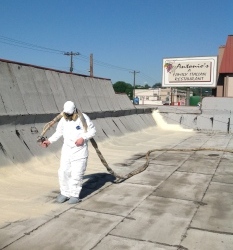
    spray foam systemsHere are a few ways in which spray polyurethane foam (SPF) has been integrated into elastomeric roof coating systems:

    • Spray polyurethane foam with one coat of a Conklin roof coating product system
    • Spray polyurethane foam with a base coat of roof coating product followed by a top coat
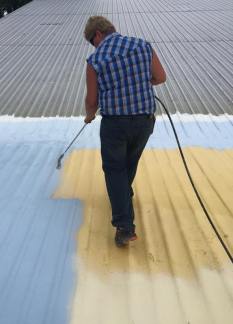
    • Spray polyurethane foam with a base coat of roof coating product, followed by Conklin fabric material and two layers of top-coat roof coating product system

    The last roof system is the most powerful and potent, as it is composed of many layers of fully adhered, monolithic roof coating and spray foam product. This is the system we will be examining.

    Pros of Spray Foam Roofing

    pros spray foam roofingThe multi-layer Conklin spray polyurethane foam roof offers:

    • Incredible tensile strength and durability highly comparable to that offered by a multi-layered built-up roof system
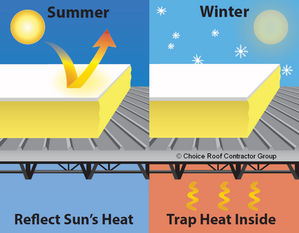
    • Consumer application and value in all 50 states; the reflective top coat helps in saving on cooling costs and the SPF insulation keeps heat trapped inside during wintertime
    • Potential product lifecycle of 40+ years or more, so long as the roof is properly maintained and the foam insulation is constantly protected by roof coatings
    • Completely seamless, completely waterproof, and fully adhered roofing protection to the existing roof substrate on which these products have been applied
    • Huge wind resistance and enhanced building structural support provided by the many layers of coating product and SPF application
    • Virtually eliminates potential for water travel throughout a roof system, as punctures in the roof caused by hail or other foreign objects stay localized to just the area it affected
    • SPF insulation is easily applied around protrusions, such as flashings, and around more-challenging angles up against curbs
    • Capable of being applied to virtually any type of existing commercial roof system

    Cons of Spray Foam Roofing

    cons spray foam roofingThere are a lot of contractor-facing “drawbacks” to a spray foam roof system. It is useful for building owners to know these, too, so they are aware of the full details required for the system’s proper application.

    • Has to be applied with exactitude; spray foam roofing has rigorous specifications and requires steady expert hands for effective application
    • From a contractor standpoint, it takes a lot of time to fully master this highly-specialized system
    • Specialized training is needed so the spray polyurethane foam contractor puts down the spray polyurethane foam correctly
    • Initially costlier than other roofing systems; however, it pays for itself much more quickly than even “typical” white roofing systems with the energy savings it produces
    • More potential for system failure can be more present due to contractor carelessness or shoddy application, due to the exact specifications and careful application required
    • Being hard to remove in some cases (however, if an old flat roof has an initial layer of 1-inch ISO board installed over it before the foam application, the foam system can be carved into squares and then removed)

    It should be noted, however, that building owners will derive tremendous benefits from this system in the form of roofing protection and huge energy savings, among others. These drawbacks may be greatly outweighed by these two benefits alone.

    Things that Cause Spray Foam Roofing Failure

    Pros & Cons of Various Roofing Systems

    Learn More
    • Bird pecking
    • Shoddy spray foam application
    • Unscrupulous contractors applying foam that is not dense enough (three-pound foam is needed, when some contractors apply two-pound)
    • Foam being applied in temperature conditions that are not optimal or specified
    • Foam being exposed to the sun
    • Waiting too long to coat foam layer with roof coating product or primer layer on top
    • Putting a light coat on top of spray foam layer, which quickly deteriorates
    • Putting roof paint on top of spray foam layer, which will quickly leave foam exposed
    • Old roof not having positive drainage, or has sitting pools of water on its surface (not good for spray foam application)

    Once spray foam has been applied as a base layer, it is important for the top layers be applied within 2-12 hours after the spray foam application. Ideally, the application of the top layer of product over the foam will be done in the same day as the foam application itself.

    This “built-up”, fabric-reinforced spray foam roofing system we have been looking at is thick enough where the foam will be much better protected from bird pecking. Also, there is a granular coating product available to Conklin contractors that can be combined with coating products so bird pecking is negated.

    As the listed causes of spray foam roofing failure show, many instances of spray foam roofing failure can be attributed to shoddy contractor work or application. Therefore, many of these instances can be avoided by choosing an experienced, quality-minded spray foam roofing contractor to do the job.

    Concluding Thoughts on Spray Foam Roof Systems

    Need an Expert?

    Our group works together to provide:

    • Larger Base of Knowledge
    • Group-Wide Accountability
    • One Source for All Projects
    • Set Standards for Service
    • More Peace of Mind
    Free Local Quote Enter Zip CodeGo
    For contractors, having the proper training and knowledge is essential. Choice Roof Contractor Group has a strategic partnership with Intech Equipment & Supply, one of the premier spray foam equipment providers in the United States with 6 full-service branches across the country. Experienced mentors are also on hand to help contractors navigate the ins-and-outs of this great roof system. For more information, call Intech Equipment & Supply at 706-474-1657 or view the presentation at https://www.choiceroofcontractors.com/intech-presentation.

    Building owners and facility managers, on the other hand, can be fully confident of this roof system’s lifecycle, ongoing benefits and performance value, and stringent protection standards. All Conklin roofing systems are backed by non-prorated warranties. Plus, Conklin roofing products have been installed on over 2 billion square feet of roofing throughout the United States, and they have been a top choice in commercial roofing for over 40+ years.

    Should you be interested in training with our nationwide support group, give us a call at 800-670-5583.

    Construction Contractor Jumps into Commercial Roofing Market

    Today’s story shows the power of when a quality-minded construction professional decides to go all in and start a new commercial roofing company. There may be risks involved, but the huge upside potential that comes with building a highly profitable business and carving out one’s destiny is hard to cast aside.

    In this week’s contractor feature, we take a look at new Conklin contractor Jonathan Wanner and how he’s decided to become more successful. Hailing from the great state of Michigan, Jonathan has stepped forward and decided to jumpstart his own commercial roofing company. He’s now in the throes of its development, but he’s excited about the future and what it holds, and about how he has a huge support network behind him.

    Humble Beginnings: Installing Windows

    Jonathan WannerWhen asked about what drives his roofing company, Jonathan says “quality service” is the core value that’s responsible. It’s a fundamental that he’s displayed over the years, as he’s risen from a construction crew member in the family business to a forward-thinking company owner.
    Jonathan’s story begins in his teenage years, when he became an active part of his family’s construction operations. He had grown up in construction for his whole life up to that point, but that’s when things started taking off.

    His family’s company specializes in vinyl windows, but Jonathan recalls his involvement in all manner of construction work. As a member of the crew, he was charged with discarding old building products and other duties related to project disposal. Over an approximately two-to-three-year spread, he rose in the ranks from menial laborer to full-time contractor, and he assumed more responsibilities in the construction crew’s day-to-day operations. Over time, he learned the ins-and-outs of all that was involved, as well as the full value of quality workmanship. That, in turn, laid the seeds for what would later become an enterprising desire to break into commercial roofing.

    Once he became a full-time contractor, bit-by-bit Jonathan became a more integral part of daily service-providing. He honed his craft, and by the time he was 21 years of age, Jonathan had been appointed the main installer. As he steadily grew to be an invaluable part of his family’s legacy, he started developing a sense of entrepreneurial ambition and independence. Over time, he became keen on striking out on his own.

    Opportunities Arise: Commercial Roofing with Conklin

    A few years into his career as an expert installer, Jonathan’s desire for running his own business had gained further traction. It was around this time when he heard about Conklin roofing from friends and was intrigued by the unique business opportunity it presented. He was told stories about roofing contractors who had encountered great success with the product line, tied together with Conklin’s standout business model. The stories of success piqued his interest, and he started doing research on just how viable Conklin’s business opportunity really was.

    Timely Intervention: Family Member’s Experience

    Jonathan knew there wasn’t really anyone in his area who was doing what Conklin offered, and it seemed to be the best opportunity to carve out a profitable niche business. The attractiveness of the business opportunity was expounded by his desire to establish a high standard of living for his wife and children. That’s when he contacted Conklin for more details about getting involved and what he should expect. One Master Contractor contact and hours of extensive Internet research later, Jonathan was more convinced of the legitimacy of Conklin’s business opportunity. However, he wasn’t quite ready to take the full leap.

    A timely ‘intervention’ came in the form of a visit with a distant family member. This family member used Conklin roofing products himself, and with his personal testimony about their value to both contractors and customers, Jonathan was further emboldened. A chance encounter with a nationwide network of commercial roofing specialists who use Conklin products, though, was what sealed the deal. Jonathan contacted Choice Roof Contractor Group for more information, was impressed by the answers given and level of support the network provides, and then decided to journey to Conklin roof systems training.

    Gearing up for the Big Time: Taking Action

    superior state roofingAt Conklin’s training seminar, Jonathan received hands-on experience with Conklin’s high-performance roofing systems, which built on top of his honed expertise as a construction professional. When asked about the quality of Conklin’s factory training program, Jonathan remarks on how he was impressed by how thorough and informative it was. One thing that stood out was how comprehensive Conklin’s roofing system instructors were in their coaching—at many points, Jonathan would have a question that wasn’t directly related to what was being taught, but the instructor would answer it a few moments later without him having to ask it.
    Now, as a business owner, Jonathan has named his new roofing venture “Superior State Roofing”. Aside from the obvious nod to the well-known Great Lake to the north, he says it’s a subtle reflection of what customers can expect from his commercial roofing services—quality treatment in every facet of what’s done.

    Even though the pressure of starting and running one’s own business is tremendous, Jonathan says he’s glad he made the leap. With Conklin roofing products, the training he’s received, and the contractor support he has at his disposal, he’s more than ready to set his entrepreneurial ambitions aflame—and give a better life to his family as a result.

    Great Business Opportunities Await

    Should you be interested in learning more about how you can benefit from commercial roofing business opportunities like Jonathan, you can contact Choice Roof Contractor Group for more information. Our nationwide network provides a slew of exclusive benefits to quality-driven contractors, including lead generation, lifetime mentorship, discounted product pricing, dedicated marketing support, and more. Choice Roof Contractors also benefit from our partnerships with key service providers and vendors.

    Don’t hesitate to give us a call at 800-670-5583 should you have any questions.

    White Roof Energy Savings

    rr1Today’s blog post is of particular interest to building owners and facility managers, as it provides an overview of the energy-saving potential of white roofs. Other posts have examined the credibility of white roof coatings and if white roof coatings are more effective than white roof paint.
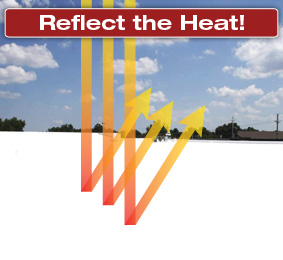
    What sort of energy savings could someone see with a white roof? According to the Urban Green Council, white roofs on commercial buildings could produce 89 percent net energy savings. Likewise, the United States Department of Energy estimates a white roof on a commercial building could generate annual energy savings of up to $.20 per square foot. In 2010, an Inhabitat.com article noted if 85 percent of air-conditioned buildings in the United States had white roofs, there could annual energy savings of $735 million.

    However, it should be noted energy cost savings will vary based on a building’s location as well as on local energy consumption rates. In areas with a warmer climate, energy savings could be more pronounced in the hotter seasons of the year. In one California-based study, “cool roofs” were found to generate annual net savings of almost $.50 per square foot, though other buildings than just commercial buildings were factored in.

    On a national scale, the ENERGY STAR® program says if commercial and industrial buildings’ energy efficiency were improved by 10 percent, there could be $20 billion in collected savings. The ENERGY STAR® program also notes that with ENERGY STAR®-qualified cool roofs, commercial buildings have cumulative cost savings of $2.7 billion and industrial facilities over $200 million. At present, U.S. commercial and industrial buildings have combined annual energy costs of $202.2 billion, with 30 percent of energy being used inefficiently or unnecessarily.

    With these studies and others in hand, it is clear white roof coatings are an attractive option because of their energy cost-saving potential. That becomes even more pronounced when considered in light of how the white roof became prominent in commercial roofing.

    The White Roof, a Disruptive Force in Commercial Roofing

    Roofing Services

    Our professional commercial roof contractors provide:

    • Roof maintenance & repair
    • Inspections & leak detection
    • Energy efficient roof systems
    • Complete roof replacement
    • Roof life-extending solutions
    Request Free Estimate
    Like single-ply roofing in the 1960s, white roof coatings were quite the game-changer for the commercial roofing industry when they appeared in the 1970s. Beforehand, roofing industry discussion over roof performance had centered much on factors such as a roof’s service life and how a roof held up in different conditions over time. A roof’s value was tied more to its performance record and protection value.

    When the white roof coating appeared on the scene as a way to extend a roof’s life without having to do a complete roof replacement, though, the industry began to change. Because of their ability to reflect much of the sun’s heated rays off a roof surface, energy efficiency became another category for evaluating roof performance on top of protection value and service life.

    Today, white roof coatings remain a hot-button topic in the commercial roofing industry. They have been accepted as a mainstream roofing product selection. For instance, since 2010 in New York City over 1 million square feet of roofing has been coated with white coating products.

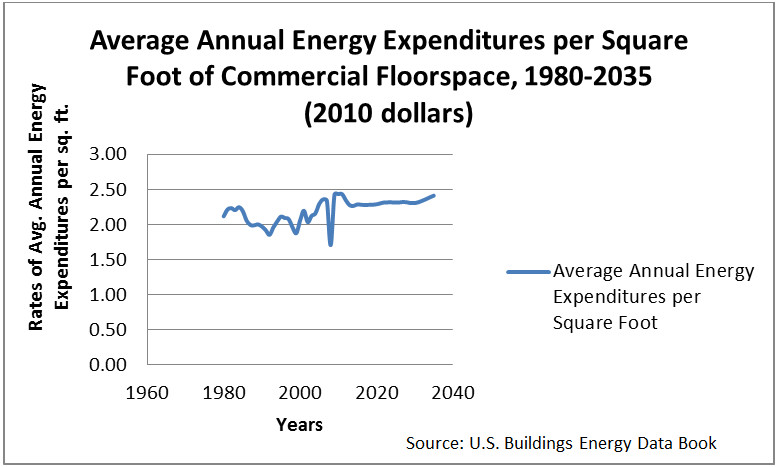
    These coating products have also been shown to be a great option for long-term energy savings. According to the U.S. Department of Energy’s most recent Buildings Energy Data Book, the average annual energy expenditure per square foot of commercial floor space was $2.44 in 2010. In 2014, it is expected to be $2.27.

    Starting a roofing business

    Studies on White Roofs’ Efficacy in Generating Energy Savings

    In addition to a white roof study that spanned 50 years conducted by Lawrence Berkeley National Laboratory and more, here are a couple of other notable studies that capture the energy-saving potential of a white roof.

    • In Tucson, Arizona, a 24,000-square foot building was topped by a white elastomeric roof coating. Energy consumption from one summer week before the coating was noted, along with one summer week after the coating with similar weather conditions. City personnel recorded a 50 percent reduction in energy usage as a result of the new white roof and estimated it could save $4,000 in energy costs annually. With those savings, the roof would pay for itself in just over 6 years (the roof coating cost almost $25,000 to apply) and have a 16 percent rate of return.
    • In Austin, Texas, a 100,000-square foot retail store had its energy use, peak air conditioning demand, and service life compared before and after a white roof membrane was installed on it. The monitoring period of the study took place over 13 months and took note of several measures. Approximately in the eighth and ninth months of the study, the retail store’s black roof was replaced with a white roof. For the retail store’s black roof, the average daily roof surface temperature was 168°F. With the white roof, it was reduced to 126°F. Total air conditioning usage was reported to have dropped down 11 percent and peak air conditioning demand by 14 percent. The building was predicted to be capable of saving $65,000 over the roof’s service life.

    Some Thoughts on the White Roof and Its Energy-Saving Potential

    rr1Some people have said white roof coatings may suffer from a “winter penalty”, or a period during the winter in which they reflect useful heat from a building and make the building use more energy for keeping its interior warm.

    The Cool Roof Ratings Council offers the following answers to this notion:

    • Cooling cost savings tend to greatly exceed any heating cost increases
    • The sun shines on a roof at a more oblique angle in the summer than it does during the winter, meaning its energy will not come down on the roof as directly
    • Snow often covers a roof during the winter, cutting down on opportunities for the sun to warm up a building anyway

    For calculating one’s own energy-saving potential, the Department of Energy offers a useful calculator.

    Conklin White Roof Coatings

    With Choice Roof Contractor Group, building owners can get the great benefits of a white roof listed above and more. Conklin white roof coatings have excellent tensile strength and durability, and have been seen to last for 25 years or longer while other white roof coatings last 10-15 years.

    They also have other attractive features:

    • Great track record from being used for over 40+ years
    • Exclusive non-prorated warranty coverage on all labor and material costs for up to 18 years
    • Up to 15 percent annual energy savings or more
    • Completely seamless and waterproof roofing protection
    • Instantly ends leaks and other common roof problems when applied
    • Can negate winter penalty with specialized Conklin spray polyurethane foam insulation system
    • Can pay for themselves in 5-7 years with energy savings
    • Formulated to resist hurricane-force winds and hail storms
    • Resists dirt build-up and discoloration with greater effectiveness than other roof coatings on market

    Should you be interested in learning how a Conklin white roof coating system can be good for your needs, give us a call at 800-670-5583.