You Don’t Have to Start Big, You Just Have to Start

For some, building a reputable and profitable commercial roofing business may seem overwhelming or too distant of a goal to truly pursue. Since any successful business is a lofty ambition, it’s easy to see it as requiring lots of time and attention. Growth in the commercial roofing industry is very much an organic process, and people can easily get the impression that big steps are needed to really go anywhere.

Whether someone is a veteran roofing professional or a budding entrepreneur, that perception can be paralyzing. It’s potent enough to stop many people from taking that first critical step toward something greater.

For roofing contractors, that could mean lost opportunities in business growth, development of key business networks, and more. Of course, that means there will be lost opportunities that could have come from achieving those company benchmarks, too.

Wouldn’t it be nice if one were able to shunt their misgivings aside and start taking action? Well, it can happen—all it takes is a matter of readjusting perception, and then being ready to take the plunge.

Getting Started is What Matters

Starting a roofing businessWhen it comes to building a business or enhancing your bottom line with a new service offering, the most important thing to keep in mind is not “starting big”, but rather just “getting started”. It’s easy to see a big enterprise as requiring action that’s also big to get jumpstarted. But that action can ultimately be reduced down to a series of small steps, or things to be accomplished over time.

As a roofing contractor accomplishes small tasks and moves things forward, that effort begins to pay off. The goal of becoming highly profitable doesn’t seem so distant anymore. Differences in the quality of each workday become more noticeable on a daily basis. Bit-by-bit, steadfast concentration on completing the small steps for the day eventually leads to company highlights and additional, bigger company goals. All it requires is keeping it simple and slowly building one’s way toward the benchmark they hope to achieve.

How Does This Apply in Commercial Roofing?

For a roofing contractor, big company goals can be obtaining a commercial roof that is 100,000 square feet or larger, reaching $10 million a year in sales, achieving a professional distinction with the product brand they use, nailing a big contract, or being recognized for their company’s growth.

However, whether an individual is a savvy commercial roofing professional or someone who is new-to-the-chase, those goals can’t be attained without initiating action to achieve them. It’s easy to stay focused on the size, uncertainty, and risks of what you want, but if you don’t even begin the efforts toward getting it, that’s non-productive and only stalling.

Regardless of its scope or demands, any goal can be reduced to terms of “yes” and “no”. You can’t get any more “no” than what you already have by not starting. Getting started is truly everything!

In commercial roofing, stories such as Sam Hostetler’s rags-to-riches tale are an indicator of where hard work, determination, and grit can lead.

Jumpstart Your Roofing Business with Nationwide Contractor Support Network
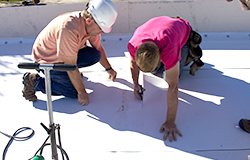
Commercial roofing supportIf you’re looking for a way to add commercial roofing to your business portfolio, or start a new commercial roofing business from scratch, Choice Roof Contractor Group represents a powerful opportunity for helping you achieve your dreams and full potential.

Contractors who join our group enjoy full support in many ways, including from our network-exclusive benefits such as lead generation, discounted roofing product pricing, lifetime mentorship and effective sales coaching, credible training, nationwide reputation, and more. Our team gets behind contractors 100 percent, and once you are a part of the team, we are completely committed to your individual well-being and success.

Choice Roof Contractor Group also uses high-performance Conklin roofing systems, a line of products that have been used in commercial roofing for over 40+ years. With these systems, contractors both provide exceptional value to every building owner and strengthen their profit margins for each job. In fact, quite a few contractors add a six-figure revenue stream to their companies’ bottom line from using these commercial roofing products by the second quarter of their second year. This is largely due to the way our members help each other succeed!

Should you be interested in talking to Sam about how to be more successful in commercial roofing, or discussing with our team how you can build a strong, independent roofing business, use our contact form. You can also contact us at 800-670-5583. We look forward to hearing how we can be a part of helping you build your own success story.

5 Ways Successful People Don’t Approach Their Lives

Roofing SuccessAs many a businessperson can tell you, determination, hard work, strategic planning, and timely execution are key staples of any successful professional’s life. It’s clichéd, but it’s true regardless of what one’s career is, whether it’s owning a business or being an employee, and of what industry someone’s in. There’s no simply no substitute for discipline, defined purpose, or deliberative resiliency.
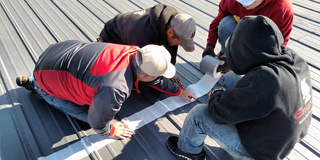
Just as certainly as there are principles for success, though, there are qualities that can limit a person’s entrepreneurial career and potential for achievement. In the roofing industry, it’s especially important to be sensitive to these limiting qualities because of the competition.

5 Ways Successful People Don’t Act

1. Only Being Aware of What’s “Impossible”. Successful people think in terms of possibilities and solutions. They’re unafraid of charting new paths or trying out new ways to accomplish what needs to be done. For them, new ideas or methods are invigorating and exciting.

On the other hand, people who’re less goal-driven can only see the road toward failure and all of the ways that lead there. They’re very familiar with the words “impossible” and “I tried”, and they’re usually focusing on the things that can’t be done as opposed to ways to solve them.

2. Staying Close-Minded and Afraid of Action. When difficulties arise, unconventional-but-ethical problem-solving or out-of-the-box thinking can lead to some creative solutions. For a business owner, if business performance is slowing down or stagnating, he or she must think of ways to readjust and stay competitive. “Average” people, much of the time, don’t think in terms of solutions to problems, alternatively. They’re often paralyzed by apathy or worse, fear. And as a result, all they see are problems.

Successful professionals and entrepreneurs, however, understand the importance of being innovative and practice it in their day-to-day activities. Bringing new ideas to the table and implementing them is how they boost and maintain their performance over time, even if they’ve had a bad day.

3. Fear of Failure Crippling Personal Determination and Grit. It’s basic, but one of the most-often-missed points among less-than-successful businesspeople. People who aren’t goal-driven can’t help but focus on destructive thoughts or an overwhelming fear of failure. The most successful individuals understand that action begins with a steadfast will to do something. They don’t rely upon luck or the “right opportunity” to come to them. Instead, they go out and create their own opportunities instead of letting time pass them by.

In short, truly successful people aren’t afraid to dream big, go for those dreams regardless of the obstacles or challenges that arise, and constantly move forward with a positive-minded, visionary approach, no matter the setbacks they encounter along the way. Determination and hard work are what distinguishes the successful from the lesser-driven.

4. Staying Focused on Themselves or Leading Others to Share in Their Misery. Because they are so paralyzed by fear of what can go wrong, small-thinking people only focus on what amounts to inaction. They aren’t encouraged by a new day and the opportunities it brings for problem-solving and personal growth, but rather choose to be distraught over what they’ll face for the day. That, in turn, often translates into a perpetual self-pity party or sense of misery. And miserable people are only too happy to “share” their down-in-the-dumps attitude with others, which cripples others’ productivity and sense of worth.

Alternatively, enterprising individuals champion and live out an ability to influence and gain favor with others. It’s not from the standpoint of only selfish ambitions, but enriching others, showing respect for them as persons, and making your passion and enthusiasm contagious. That, combined with a deep knowledge of their industry, lends itself to not only success in their own lives, but also in those around them.

5. Staying Pessimistic No Matter What. Small-minded people stay pessimistic about what’s in front of them. They’re among the first to quit whenever adversity makes its unwelcome appearance. And when the obstacle or setback disappears, then they go back to their sense of apathy or lack of purposefulness.

On the other hand, the most prosperous individuals remain steadfast in their resolve and optimism. They understand everyone makes mistakes or has unique challenges, and they aren’t afraid to encourage others to meet those things head-on when they do arise. When they experience failure or stumble, they get right back up, redouble their efforts, and then charge ahead.

In short, practicing good, positive-minded habits is a great recipe for a prosperous professional life.

Successful Practices for Prosperity in the Roofing Industry

Roofing ProfessionalThe most important thing of these ways to act is their core unifying principle. To be successful, these habits must not be a part of your professional life, but throughout your life as a whole. “Practice makes perfect”, and if you put in the effort and habituate these practices into your daily life, there’s no limit to the things you can accomplish. In the commercial roofing industry, these practices become even more successful when paired with other important things to keep in mind.
It’s yet another cliché, but one of the biggest cornerstones of any successful and reputable commercial roofing business is quality service. When you are outwardly-facing in your business motivations or, in plain-speak, are motivated strongly by your customers’ needs before your own self-interest, your business’ long-term potential skyrockets. The chances for building up a solid reputation and profiting from being a customer-minded enterprise become huge.

Another important factor is keeping on par with the latest trends, technological advancements, and best practices in the roofing industry. Getting active on social networks such as LinkedIn and UBuildNet can help in connecting you to quality information and other educated, value-minded professionals.

Great Contractor Support Available

Having a good support network behind you doesn’t hurt in building a successful roofing business, either. In our nationwide contractor alliance, members benefit from free lead generation, lifetime mentorship and effective sales coaching, discounted product pricing, a credible nationwide endorsement of their services, and more. For more information about how Choice Roof Contractor Group is helping other roofing businesses change the game in their regional markets, give us a call at 800-670-5583.

Spray Polyurethane Foam and Roof Coatings

Today’s blog post provides an overview of commercial roof coatings and their use with spray polyurethane foam roofing systems.

Roof coatings and spray polyurethane foam can serve different but complementary purposes. Reflective coatings can help reduce solar heat absorption, while SPF can provide insulation value as part of a properly designed roof assembly.

Commercial Roof Coatings and Their Value

reflective roof coatingCommercial roof coatings can provide both protective and reflective benefits when applied to a properly prepared and compatible roof substrate.
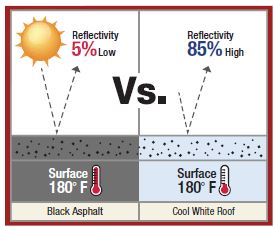
A liquid-applied coating can form a continuous protective surface over suitable roof areas. Many commercial roof coatings are available in white or other reflective colors that reduce the amount of solar energy absorbed by the roof.

A white roof coating can lower roof surface temperatures compared with a darker roof surface and may reduce cooling demand in some buildings.

Actual energy savings vary based on climate, insulation, HVAC efficiency, building use, roof construction, utility rates, and other factors.

Reflective Roof Coatings in Colder Climates

Reflective roofing can provide substantial benefits during periods when reducing solar heat gain is desirable. In colder climates, however, the overall energy effect can be more complicated.

A reflective roof may reduce some solar heat gain during the heating season. Whether this creates a meaningful heating penalty depends on factors such as climate, insulation levels, snow cover, building use, heating efficiency, roof orientation, and the overall roof assembly.

For that reason, the energy performance of a reflective roof should be evaluated based on the particular building rather than assuming that the same savings will occur in every climate.

Roof insulation and air-sealing performance also play important roles in overall building energy use. A reflective coating alone does not replace the need for an appropriately designed insulation and air-control strategy.

Don’t Forget about the Insulating Power of Spray Polyurethane Foam

When spray polyurethane foam is used as part of a roofing system, it provides insulation value in addition to the protection supplied by the roof’s surface coating.

Because SPF is spray-applied, it can form a continuous insulation layer over properly prepared roof areas and conform around penetrations, curbs, and other details.

When properly designed and installed, an SPF roof assembly may help reduce heat transfer through the roof. A reflective coating installed over the foam can also reduce solar heat absorption during warmer periods.

The combination can therefore provide both insulation and reflective performance, although actual heating and cooling savings depend on the particular building and climate.

Commercial Spray Polyurethane Foam Roofing Systems

Roofing Services

Our professional commercial roof contractors provide:

  • Roof maintenance & repair
  • Inspections & leak detection
  • Energy efficient roof systems
  • Complete roof replacement
  • Roof life-extending solutions
Request Free Estimate
Energy efficiency continues to be an important consideration in commercial construction and roof restoration. Roofing choices can affect heat transfer, solar heat absorption, insulation performance, and the amount of energy required to heat or cool a building.

An SPF roofing system typically consists of spray polyurethane foam protected by a compatible coating or other protective surfacing. Depending on the project, this type of assembly may provide several benefits:

  • Roofing and insulation value in a single system
  • A continuous insulation layer over properly prepared roof areas
  • Reduced solar heat absorption when a reflective protective coating is used
  • Potential reductions in heating and cooling demand depending on the building and climate
  • The ability to conform around penetrations, curbs, and other roof details
  • The ability to create or improve slope in properly designed applications
  • Repair and recoating opportunities when the existing SPF system remains suitable

SPF roofing is not appropriate for every roof. Before installation or restoration, the existing roof should be evaluated for wet insulation, structural deterioration, drainage problems, damaged roofing materials, failed seams or penetrations, trapped moisture, and other conditions that may need to be corrected first.

The exact insulation value, coating performance, service life, application requirements, and warranty terms depend on the particular SPF and coating products selected.

Combining SPF with Protective Roof Coatings

The protective coating installed over an SPF roof is an important part of the complete system. It helps protect the foam from ultraviolet exposure, weathering, moisture, foot traffic, and other conditions.

The coating should be applied at the required thickness and maintained over time. Damage or deterioration should be repaired so the underlying foam does not remain exposed.

When the building and existing roof are suitable candidates, an SPF roofing system with a compatible protective coating may provide an effective combination of roof protection, insulation, and reflective performance.

A commercial roofing contractor can evaluate the existing roof and discuss whether SPF roofing, another restoration system, repair, recover, or replacement is appropriate.

Young Contractor Drives Across the Country to Experience Conklin Coatings First-Hand

Today’s blog post discusses our invitation to contractors to work side-by-side with our mentors on commercial roof projects, as well as steps you can take today to build a successful commercial roofing business.

Contractor Travels Nearly 3,000 Miles to Work with Our Top Mentor

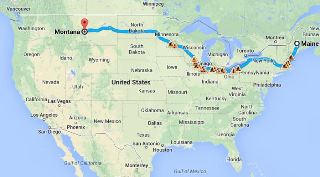
Maine to Montana TripFor those who want to maximize their competitive advantages in the commercial roofing industry from day one, Choice Roof Contractor Group presents all the tools and resources a driven person needs to be successful in commercial roofing. The recent example of one up-and-coming individual soon to be in our network, Derrick Taber, shows the power of what someone can do when he or she has the heart and work ethic to plunge ahead.

Derrick hails from the great state of Maine, which is located at the far northeastern part of the United Sates. He heard about the great opportunities available for roofing contractors who use Conklin roofing products, so he took a look at how well Conklin roof contractors perform and how well they do financially. After being encouraged by what he saw, Derrick became determined to learn all of the ins-and-outs of proper Conklin roofing system application.

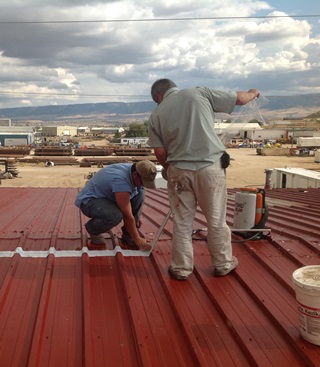
Since then, Derrick has driven a great distance of 2,800 miles from Maine to Montana, where he is now learning the ropes from one of our veteran roofing mentors, Samuel Hostetler. He is working firsthand with Sam’s Five Star Roofing company on a Conklin roof, and will be going to roof systems training next week.

Derrick’s strong determination is illustrative of what someone can achieve with Conklin roofing products. As Sam’s story illustrates, with grit and determination one can build a highly successful roofing business – even in a couple years.

Tools, Support and Knowledge to Maximize Success

Contractor SupportChoice Roof Contractor Group offers quality-minded roof contractors the tools and resources they need to be highly successful. One portion of the many exclusive benefits our network members enjoy is our lifetime mentorship program.

We have veteran senior mentors strategically placed across the U.S. in Montana, Nebraska, and Pennsylvania who are completely committed to helping you get started. In our free mentorship program, our roofing veterans make themselves accessible through phone, texting, social media, and other platforms for answering any questions, including inquiries regarding proper materials application, closing sales, business brainstorming, or anything else at all.

Our mentors also extend an invitation for new contractors to work alongside them at no cost (even those who haven’t joined the network yet). They will show contractors the ins-and-outs of a commercial job, roofs that were coated with Conklin product many years ago that are still leak-free today, provide additional on-site expert training, and be able to share effective business strategies and insights gained from their years of experience.

To work alongside one of our mentors on their next roof project, request their schedule via our contact page.

Exceptional Contractor Value

Working alongside a senior mentor will be worth every bit of Derrick’s time and traveling expenses. With the skills, business savvy, and effective marketing strategies gained from the training trip, he will acquire invaluable insights for approaching building owners, building up a building owner’s confidence in him, and landing big commercial jobs.

Just the initial deposit on one commercial job can pay for all the equipment needed to get up and running. For instance, on a 10,000-square foot metal roof, with a Conklin metal roof restoration system a contractor can land over $10,000 in gross revenue in less than one week. When you think of the many commercial jobs you can land with the insights gained from an experienced Conklin roofing expert, it is clear Derrick’s trip can pay for itself many, many times over. In fact, it has been said that many roofing contractors add a six-figure income to their bottom line in the second quarter of the second year of when they first started using Conklin roofing products due to their fast application time and attractiveness to building owners.

Comprehensive Commercial Roof Systems Training

Commercial Roof Systems Training width=Getting started in commercial roofing can cost thousands of dollars. That is just to get the proper certification and training. Not so with Choice Roof Contractor Group. Because our nationwide network of commercial roofing specialists uses Conklin roofing products, all contractors go to Conklin’s roof systems training in order to learn proper application and be able to perform warrantied services.
The $799 program is cost-effective and packed with informative business strategies. In the training, contractors will learn the full details of Conklin roof systems, understand common commercial roofing issues & how to address them, and be equipped with the tools and resources needed for being a reputable commercial roof contractor.

In a nutshell, the Conklin training program includes:

  • Discussions from highly-experienced Conklin roofing veterans
  • Metal roof systems training
  • Spray polyurethane foam roofing training
  • Specialized Conklin roof coating training
  • Single-coat acrylic roof system training
  • Single-ply roof system training
  • Fabric-reinforced acrylic coating systems training

Once a contractor graduates from the program, they are given a certificate of completion, $150 product credit, 3 percent product discount, and numerous reference materials.

First Steps toward a Successful Roofing Business a Phone Call Away

Complete details of Conklin’s factory training program, and the tremendous benefits it provides, can be found on our Conklin Training Page. Should you have any further questions about how Conklin offers a great business opportunity, give us a call at 800-670-5583. We will be happy to share how contractors are making it big in the commercial roofing industry with our help.

What is an Elastomeric Roof Coating?

elastomeric roof coating applicationToday’s blog post covers a type of roofing product that may be used to protect an existing commercial roof, provide reflective performance, and support roof restoration. We’re going to take a thorough look at elastomeric roof coatings.
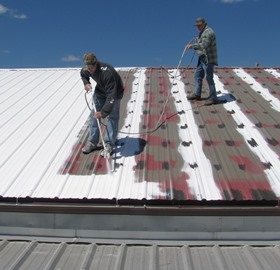
What is an elastomeric roof coating? Simply put, it is a liquid-applied coating designed with elastic properties that allow it to stretch and recover as the roof experiences temperature changes and movement.

Elastomeric coatings can be applied over a variety of compatible commercial roof substrates, but the existing roof must first be evaluated and properly prepared. Product compatibility, roof condition, drainage, moisture, surface preparation, application thickness, and manufacturer requirements all affect performance.

Depending on the coating system and roof conditions, potential benefits can include:

  • Helping extend the useful life of an existing roof when it is suitable for restoration
  • Providing a flexible protective surface
  • Helping protect roofing materials from ultraviolet exposure and weathering
  • Accommodating some temperature-related movement
  • Providing a continuous protective surface over properly prepared roof areas
  • Reducing solar heat absorption when a reflective coating is used

An elastomeric coating’s ability to expand and contract can help it accommodate movement caused by changing roof temperatures. However, actual flexibility, elongation, weather resistance, and durability vary considerably among coating products and should be evaluated using current manufacturer specifications.

Other Facts about Elastomeric Roof Coatings

metal roof coatingElastomeric roof coatings are available in several chemistries. Acrylic coatings are one common type and are generally liquid-applied over a properly prepared and compatible roof surface.
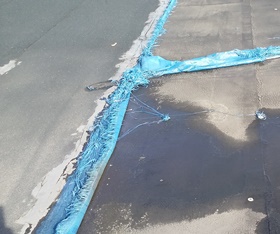
When installed according to the requirements of the particular system, a coating can form a continuous, adhered membrane over suitable roof areas. Many acrylic elastomeric coatings are also available in white or other reflective colors.

A reflective white roof coating may provide additional benefits such as:

  • Reflecting a portion of incoming solar energy
  • Reducing solar heat absorption
  • Lowering roof surface temperatures compared with a darker roof surface
  • Potentially reducing cooling demand, depending on the building and climate
  • Providing a continuous protective surface over properly prepared roof areas
  • Reducing ultraviolet exposure to underlying roofing materials
  • Potentially extending the useful life of a suitable existing roof

Actual energy savings depend on climate, insulation, HVAC efficiency, building use, roof construction, utility rates, and other factors. A reflective coating should not be expected to produce a fixed level of energy savings for every building.

Likewise, coating performance around foot traffic, ponding water, hail, weathering, dirt pickup, tensile strength, and other conditions varies by product. These characteristics should be reviewed using current manufacturer documentation.

Is an Elastomeric Roof Coating Right for Your Roof?

An elastomeric coating may be a useful roof restoration option when the existing roof is structurally sound and otherwise suitable for restoration.

Before coating, the roof should be inspected for wet insulation, structural deterioration, drainage problems, damaged roofing materials, failed seams or penetrations, corrosion where applicable, trapped moisture, and other conditions that may need to be corrected first.

The coating system should also be compatible with the existing substrate and installed at the required coverage rate and dry-film thickness using the appropriate preparation, primers, reinforcement, and application procedures.

When the roof is a suitable candidate and the coating is properly selected and installed, an elastomeric coating may provide reflective performance, a continuous protective surface, and an opportunity to extend the useful life of the existing roof.

A commercial roofing contractor can inspect the roof and discuss whether repair, restoration, coating, recover, or replacement is appropriate.

Commercial Roof Maintenance Costs


Sam HostetlerToday’s blog post will be of interest to building owners who are interested in learning about the cost of commercial roof maintenance.
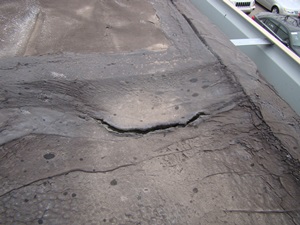
Roofing experts say a robust roof maintenance program is imperative for ensuring a roof lasts for its entire life expectancy. One study says the cost of a routine maintenance program, over 15 years, is on average 14¢ per square foot. However, the true cost of a roof maintenance program will vary based on how extensive a program is in its coverage. Other fees a roofing company may charge will also come into play, such as travel time fees, mileage fees, or services fees.

Another way roof maintenance costs can be of interest is how they stack up against expenses incurred by a building owner as he or she deals with roof problems when they arise. There are some studies available that can shed light on the subject. Let’s take a look at them below.

The Cost Difference

In one study, the Roofing Alliance for Progress compared roofs that had frequent inspections and repairs done to roofs that were maintenanced when they had problems. Data was gathered over a 15-year period. At its completion, the study reported some interesting findings:

  • For roofs with “reactive” maintenance programs, building owners and facility managers paid an average of 25¢ per square foot.
  • On roofs with “proactive” maintenance programs, building owners and facility managers paid an average of 14¢ per square foot.
  • The study examined low slope roof systems and found they have an average life span of 17 years.
  • On average, roofs with a robust maintenance program last for 21 years. In contrast, on average roofs that were reactively maintenanced only lasted for 13 years.

On a 10,000-square foot roof, those cost differences are quite wide-ranging. A reactively maintenanced 10,000-square foot roof would cost on average $2,500, and an actively maintenanced 10,000-square foot roof on average $1,400. That is a $900 cost difference overall.

Another study provides further valuable insights. It reinforces the trustworthiness of an old chestnut in commercial roofing—when a commercial roof is actively maintenanced, its need to be replaced with a new roof is delayed for years.

This study produced the following insights:

  • The average building owner spends $127,500+ on a roof over a building’s lifecycle.
  • With average roof dimensions of 10,000 square feet, a new commercial roof on average costs $42,500+.
  • Generally speaking, roof maintenance programs cost 1-3 percent per year of what a complete roof replacement is projected to cost.
  • Over 80 percent of all roofs are replaced before they need be so.
  • A roof maintenance program can save a building owner up to 50 percent over a 30-year roof’s life compared to the roof being replaced every 15 to 20 years.

Aside from these obvious cost differences, there are a number of other ways a roof maintenance program can have a heavy hand in keeping expense burdens low or eliminating them all-together. These factors include:

  • Keeping the roof warranty valid, which helps pay for defects or other conditions that are under warranty coverage
  • Documenting the roof’s history, which can be invaluable for insurance claim filings
  • Keeping any unneeded “repairs” or patch jobs from being done, as the roof’s history will show when the roof was serviced and the correct products to use

In those cases, a maintenance program keeps money from being thrown away with an invalidated warranty, saves tremendous amounts of time by providing a documented roof history, and guards against highly-expensive “fix-up” jobs to cover any unnecessary or improper repair or patch-up jobs made.

It is clear that commercial roof maintenance and inspection definitely offers great cost-effectiveness over the long term.

What Should a Commercial Roof Maintenance Program Have?

Here are the minimal requirements a commercial maintenance program should meet:

  • An in-depth, on-site visual examination of the roof and interior space
  • Photographic, digital, or written documentation of the roof’s current condition, but the report can be a mix of two or three
  • Price quotes for roofing work that needs to be done
  • Repairs made on parts of the roof that are not up to performance standards
  • Roof maintenance work where it is needed

An in-depth look at all that is involved with commercial roof inspections can be found at one of our earlier blog posts.

National Roofing Company for Your Needs

Choice Roof Contractor Group represents a nationwide network of commercial roofing contractors who specialize in commercial roof repair, restoration, and replacement services. Our members must commit to excellence and professional ethics before they can join. 

Our members exclusively use Conklin roofing products for commercial jobs. These high-performance, energy-efficient roof systems stand out for many reasons:

  • Backed by non-prorated warranties on all labor and materials for up to 20 years
  • Reflect up to 85 percent of the sun’s deteriorating UV rays
  • Generate up to 30 percent savings in annual cooling costs
  • Form a completely seamless, waterproof, and fully-adhered roof membrane
  • Can be applied to virtually any existing commercial roof system
  • No cost-heavy roof replacement costs involved
  • Applied on 2+ billion square feet of roofing across the United States
  • 35-year reputation for being a leading product brand
  • Resist hurricane-force winds, bad hailstorms, fire, and more

Should you be interested in learning more about how Conklin roof systems stand out, please call us at 800-670-5583. We will be happy to give you a free local roof estimate.


How to Fix Common Commercial Roof Problems

Today’s blog post focuses on the ins-and-outs of fixing common commercial roof problems. It is complemented well by previous posts about the importance of roof maintenance and common problems that appear on virtually all types of commercial roof systems.

Dealing with Commercial Roof Problems

commercial roof problemWhen a roof has been completely restored or replaced with a new roof system, how does someone keep the roof from having problems? The first step is to take active measures for prevention. An ongoing roof maintenance program will be essential.
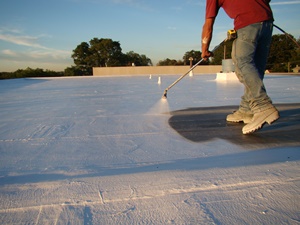
However, even with a robust maintenance program, a roof eventually will experience trouble. Roof repairs will likely be necessary. With the right training and support, though, commercial roof repairs can be made quickly and easily.

For guidance, here is a list of things for building owners, facility managers, and roofing contractors to keep in mind for taking care of commercial roofing problems.

Things to Keep in Mind

 
Property Owner/Manager Responsibilities:
  • Keep up-to-date, accurate records
  • Be aware of roof warranty terms
  • Report any roof damage right away
  • Ensure roof maintenance is routine
  • Limit traffic via controlled roof access
  • Use professionals for major projects
  • Ask contractor before making changes
  • Be mindful of any service guarantees
 
Commercial Roof Contractor Responsibilities:
  • Replenish the pitch pockets
  • Repair leaks on warrantied roofs
  • Check and clean drains
  • Secure copings and counter flashings
  • Recaulk and seal fastenings
  • Strip in roof’s pitch pockets
  • Clean the roof of loose debris
  • Recoat roof when necessary
 

By sticking to their respective obligations, facility managers and roofing contractors can experience great value. When they demonstrate their expertise, roofing contractors can see anywhere from $800-1,200 profit per day on big roof repair jobs. For building owners and facility managers, the tradeoff for less-demanding roof repairs is far preferable to roof replacement. When a roof has to be replaced, there are several costs that arise.

These costs include:

  • Roof tear-off costs
  • Old roof disposal costs
  • Landfill usage costs
  • Big costs for heavy roofing material volume
  • Pronounced labor costs
  • Sunk costs from having to shut down operations

On a 100,000 square-foot roof, roof tear-off costs often come out to $0.25-75 per square inch. That means roof tear-off could cost anywhere from $2,500-7,500 just by itself.

Independent studies also show that when building owners follows a pattern of “install, repair, replace” for their roof, there is a strong likelihood the roof will last for only one-third of its expected lifecycle. In other words, that is akin to throwing away an investment for just one-third of the total benefits usually conferred.

For building owners who are considering a complete roof replacement, a roof restoration may be a better alternative. We have done a comprehensive examination of why roof restoration is often a better choice than a complete re-roof is examined.

Why Go with Commercial Roof Coatings?

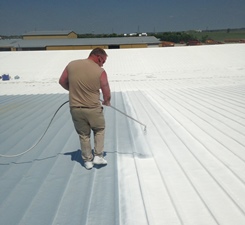
roof coatingMany facility managers and building owners have turned to commercial roof coatings for keeping their roof problems at bay. Why? When applied, a commercial roof coating product forms a completely seamless barrier over an existing roof membrane. The new roofing membrane “created” by the thick coating product is also fully adhered to the roof substrate, and it is completely waterproof. The end result is the old roof has its life extended, no expensive roof replacement costs arise, the old roof is protected against leaks and all manners of common roofing trouble, and the roofing membrane becomes energy-efficient.
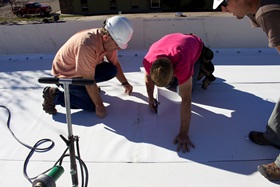
Simply put, roof coatings have properties that, when a coating is applied, give the new roof membrane a white or extremely light-colored surface. This roof surface is highly reflective of the sun’s rays, and it emits the heat that it absorbs during the day more than darker-colored roofs. That translates into huge energy savings for building owners.

Nationwide Roofing Experts Available

commercial roof contractorsShould building owners want qualified roofing experts they can turn to, Choice Roof Contractor Group offers an attractive solution. Our roofing professionals are all trained to install these coating restoration systems by Conklin, one of the leading brands for commercial roofing, and they have been carefully vetted for professional capability and commitment to excellence.
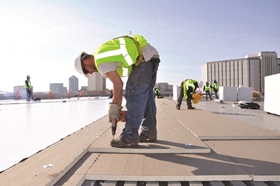
For roofing contractors, Choice Roof Contractor Group represents an unparalleled opportunity for taking their roofing business to new heights. We offer a full-service platform, including lead generation, life time mentorship, and so much more.

Should you be interested in partnering with our network for your roofing needs or building up your company, call us today at 800-670-5583. We will be happy to briefly tell you how our members stand out and offer unbeatable, competitive advantages.


The Advantages of Working with a National Roofing Company

Today’s blog post takes a look at the ins-and-outs of turning to a national roofing company for your commercial roofing needs. Companies with a national presence have specialized resources or operations for providing top-grade commercial roofing services.

Before examining how a national roofing company offers value, though, it is helpful to take a brief glance-over what makes up the American roofing industry today.

The American Roofing Market and Its Influence

commercial roof contractorsNowadays, there are thousands of local roofing companies across the country. These roof companies vary in size, from small, one-man operations to bigger-scale companies that cover many states with dozens, if not hundreds of personnel. According to a 2014 market research report from the industry research firm IBISWorld, there are 99,958 businesses in the American roofing industry. These companies are reported to employ a little over 286,200 personnel. For companies with large-scale operations, a multi-state market presence, or big warehouse buildings that require savvy roofing expertise, there are clearly many service providers they can choose. But which is best for what they need?
In terms of their resource availability, a multi-state roofing services provider, or even a nationwide roofing contractor firm, may be a good fit for their needs.

Here are a few things that a national roofing company offers that may bear consideration.

Advantages of a National Roofing Contractor Firm

  • Service availability. For building owners or companies that need roofing services now, a nationwide roofing company can be a great answer. A roofing company with national capabilities will be able to quickly dispatch a qualified service provider to the customer’s location. If required, it could even bring in roofing contractors from other areas to handle the work. This service provider availability can be invaluable when inclement weather or recurring, out-of-the-ordinary climate patterns make getting timely bids from roof contractors challenging.

For instance, in some parts of the United States, a long, harsh winter period will delay an area’s construction cycle and limit the time in which roofing contractors can actually do work. If construction logistics or coordination in a given area become compressed or stretched thin, bringing in a roofing expert from another region will ensure timely work completion all the same.

  • Resources, resources, resources. A national roofing company will have resources that are often unavailable to local, one-man roofing businesses or even some multi-state roofing companies. A national company will have a developed infrastructure for making sure a customer’s needs are addressed quickly and effectively. It is also likely to have relationships with vendors that provide third party services at reduced rates or are swiftly accessible. Those resources are not always found in the hands of smaller companies.

For example, say a large building with a 40,000-square-foot roof takes extensive damage in a storm. Getting funds for building repairs will require filing a claim with one’s insurance carrier, and bigger-amount claims can take a long time to negotiate. A larger-scale roofing company may have partnerships or “preferred vendor” relationships with providers such as professional public adjusting firms for helping someone navigate the maze of the insurance claims process. More established or professional vendors, such as a multi-state public adjusting firm, will then be available to help the customer with his or her situation. In a nutshell, the scale of the nationwide roofing company’s operations gives it access to partners or vendors which can extend customer value.

  • Services from providers backed by a nationwide reputation for credibility. A roofing contractor that a nationwide company sends out will be a qualified expert in his tradecraft. Because national roofing companies have infrastructures in place for ensuring their service providers are top-notch, they carefully vet and then vouch for contractors they let into their national contractor networks.

A national company will have also built up its reputation over the years. It will be careful with whom it associates its reputation of credibility and expertise.

  • Accountability for rendered services. Because it is a bigger-scale operation, a national company will be more accountable to its customers for its service-providing. Reputation is paramount in the roofing industry, and larger-scale companies that offer poor customer service or workmanship over time will suffer.

Particularly, a national roofing company could be impacted in a number of ways:

o   Unsatisfied customers that feel moved to post reviews of their negative experience online (more likely to happen if a roofing company is nationwide)

o   National or multi-state partners that choose to slow down or cut off business ties

o   Impacted business relationships with roofing material manufacturers with which the roofing company has aligned itself or uses

o   Drop-offs in the numbers of customers who engage that company’s services in the future

o   Lost opportunities for further business build-up or expansion due to a poor reputation

In short, a national roofing contractor firm can offer the promptness, expertise, professionalism, resource availability, helpful partnerships, accountability, and infrastructure needed to deliver exceptional results for your roofing needs.

The National Roofing Partners You can Trust

Choice Roof Contractor Group represents a nationwide network of professional, quality-minded roofing experts who specialize in commercial roofing services. All of our members are carefully vetted for professional capability, impeccable ethics, commitment to excellence, and a ‘customers-first’ mindset. They also all go through the warranty certification program for Conklin roofing products, which they use because of this product brand’s exceptional 35+ year reputation for lasting protection and energy efficiency.

Should you be interested in learning more about how our members are prepared to take on any roofing challenge, give us a call today at 800-670-5583.


Common Commercial Roof Problems

commercial roof problemToday’s blog post covers common roofing problems, building on top of previous blog posts about when to inspect a roof and why regular roof maintenance is essential. Our overview of some common roofing problems also complements a recent post about hiring the right roofing contractor.
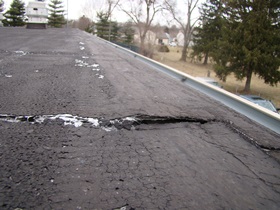
Roofing is an expensive investment. Ongoing roof maintenance or repairs can be a hassle. Additionally, since roofing is so costly, it often does not stay at top-of-mind for many building owners. But a roof will have problems at some point, and when those issues do arise, catching the damage early can help you avoid pricier roof repairs or even roof replacement. Doing so can also help keep your roof warranty going strong. From that standpoint, it can be helpful to know some common problems your commercial roof will likely face.

Naturally, some roofs will have problems that are proper to their type of roofing system. For instance, a metal roof can have costly, ongoing battles with rust. Flat roofs will be at greater risk to damage from ponding water than low slope roofs. But all roofs have some issues that they will experience in common.

Typical Roof Problems Effecting Commercial Building Owners

    • Leaks and moisture. All commercial roofs are prone to the damaging effects of leaks or moisture infiltration. In fact, if even a small roof leak is left alone, it could lead to much bigger problems that could be avoided if the leak were addressed. Roof leaks can spring up from many causes. These can include a roofing system not being properly installed, poor adhesion, an appropriate moisture barrier not being properly installed under certain kinds of roofing such as modified bitumen roofing, or moisture seeping under a roof surface. Aside from water falling into a building space, roof leaks or moisture infiltration under a roof surface can lead to rotting, mold, or other problems depending on the underlying material composition.
    • Lack of roof maintenance and roof repairs, when they are needed. All industry experts agree on the importance of having your roof regularly inspected and maintenanced. Like other valuable things that experience wear-and-tear over time, a roof will have fewer problems if early-stage damage, problems, or signs of trouble are headed off quickly. A regular roof maintenance program will keep your roofing problems at bay and be a strong preventative against big roofing issues or needs making an unwelcome appearance. Elsewise, a roof will encounter problems, have those problems remain untended and become even more damaged and impacted, and eventually fail or be destroyed.
    • Ponding water. This problem is a common headache on virtually all commercial flat roofs. It is also noticeable sometimes on sloped roofs that have flatter slope configurations around their perimeter or that “flatten out” in certain areas. Ponding water can be a sign of deeper trouble: debris build-up on a roof, improper drainage from HVAC units or gutters, or overall poor-quality configuration design. Over time, as water gathers into an existing pool of water on a roof, the pool of water exerts stronger and stronger pressure on the roof surface. If left untended, the pooling water’s pressure can be strong enough where the roof surface is compromised and water infiltrates into the roofing components below. Other factors, such as thermal shock and heavier precipitation, can speed up a roof’s decay or exert more powerful, downward pressure on the roof surface, making it more likely for water to infiltrate and do its damage.
    • Roof shrinkage and cracking. For virtually all roof types, thermal shock can be one of the most common roofing problems over time. Roofs such as EPDM rubber roofs can be at greater risk than other roof types, though. Thermal shock refers to the deteriorating effects of the sun’s powerful, harmful UV rays upon a roof over time. In temperature extremes, the sun becomes even more extensive in how much it affects a roof. The sun’s energy causes the roof to expand in hotter periods, and causes the roof to contract once it starts to cool down. A roof that has a dark-colored surface will also absorb heat from the sun than its lighter-colored counterparts, which further contributes to deterioration. In time, thanks to the sun’s influence, a roof can experience shrinkage, cracking, surface crazing, loosened roof flashing, and even more exposed seams, depending on the roof’s type.
    • Various forms of surface erosion or breakdown. Some common instances of surface erosion or breakdown include blistering, splitting, ridging, and other conditions. They can lead to other problems such as accelerated roof aging or breakdown if left unheeded. In many cases, roof surface erosion or breakdown can be pinned down to roof weathering that has been caused by outdoor extremes. However, on roofs that are made up of sheet products, poor installation or workmanship can lead to these problems or others such as roof wrinkles or fish mouthing.

Roofing Services

Our professional commercial roof contractors provide:

  • Roof maintenance & repair
  • Inspections & leak detection
  • Energy efficient roof systems
  • Complete roof replacement
  • Roof life-extending solutions
Request Free Estimate
  • Roof blow-offs, punctures, or wind uplift. When a commercial roof is poorly installed or gets poor servicing, it becomes at risk for blow-offs, billowing, puncturing, wind up-lift, or other forms of severe roof damage often caused by powerful storms or outdoor hazards. Roofs that are made of sheet products or can be at risk for exposed seams or open laps can be strong candidates for this sort of damage. If a roof experiences partial blow-off or tearing, it can be at greater risk for moisture penetration and then resulting, damaging leaks.
  • Poor product installation or workmanship. Naturally, one of the most common roofing issues is not tied necessarily to the roof’s performance itself, but how a contractor installed the roof or serviced it. Poor installation, roof installation in less-than-ideal climate or temperature conditions, use of wrong products for a particular roof type, and other contractor-related issues are just a few ways of how shoddy contracting work can be blamed. Poor contractor performance can lead to accelerated roof aging, premature roof wear, roof leaks, rapid roof deterioration, or more immediate roof failure. Making sure a qualified, reliable contractor works on your roof is essential.

National Commercial Roofing Company for Your Needs

With Choice Roof Contractor Group, you can be sure that your roofing problems will be handled with care and precision every time. Our members must commit to quality before they join, and they go through Conklin’s in-depth warranty certification program for strengthening their expertise.

Choice Roof Contractors use Conklin roofing systems, which have been a staple in the commercial roofing industry for over 40+ years. Here are a few signs of how Conklin products can be a good fit for your needs:

  • Installed on 2+ billion square feet of roofing in the United States
  • Only roof products to be backed by non-prorated warranties for up to 20 years
  • Provides 100-percent seamless, waterproof, and adhered roof protection for decades
  • ENERGY STAR®-certified roofing systems
  • Can pay for themselves in 5-7 years with tremendous energy savings
  • Highly reflective of sun’s rays and beats back deteriorating effects of the outdoors
  • High thermal emittance value and hurricane-force wind resistance
  • And so much more

For more information on how our preferred contractors stand out with these high-performance roof systems, give us a call at 800-670-5583. We will be happy to give you a free local roof estimate.


White Roof Coatings Reviews


Today, we build on a prior blog post about white roof coatings and take a look at these coatings’ track record.

White Roof Coatings Problems and Overview

white roof coating applicationSince the concept of sustainability gained greater attention in the construction industry, white roof coatings have become a more common option in commercial roofing. But roof coatings are not appropriate for every roof, and their performance depends heavily on the condition of the existing roof, proper product selection, preparation, application, drainage, and maintenance.

Like other roofing products, coatings can develop a negative reputation when they are poorly selected or improperly applied. A roof coating needs to be installed at the specified thickness and under suitable weather and surface conditions if it is going to perform as intended.

In a short list, many problems with white roof coatings, and coatings in general, can be traced to the following:

  • Too little coating product applied
  • Coating applied during unsuitable weather conditions
  • Coating applied outside the recommended temperature range
  • Hasty or careless application
  • Critical preparation or installation steps skipped
  • Poor adhesion or application over an unsuitable existing roof substrate
  • A coating product that is not compatible with the particular roof system
  • An existing roof that has deteriorated beyond what a coating system can reasonably restore

These are some of the problems a building owner can encounter. However, when a roof is a suitable candidate and the coating system is properly selected, prepared, installed, and maintained, white roof coatings can provide useful performance and restoration benefits.

What Are Some Benefits?

Pros & Cons of Various Roofing Systems

Learn More
To understand how white coatings can be beneficial for your roof, it is helpful to look at the broader category they belong to: cool roof coatings.

Cool roof coatings typically use white or reflective pigments that reflect more sunlight and absorb less solar heat than many darker roofing surfaces. When properly applied, they can help keep roof surface temperatures lower and may reduce heat transfer into the building below.

This can reduce cooling demand in some buildings, although actual energy savings depend on climate, insulation, HVAC efficiency, building use, roof construction, coating properties, and other factors.

What Is the Word About White Roof Coatings and Their Performance?

white roof coating exampleBuilding owners, facility managers, contractors, and researchers have reported a range of experiences with white roofing systems. Positive results often relate to lower roof surface temperatures, reduced cooling demand, and successful restoration of an aging roof when the existing system was a suitable candidate.

At the same time, results from individual buildings should not be treated as guarantees for every project. Roof condition, climate, insulation, building use, HVAC equipment, product selection, preparation, installation, and maintenance all influence performance.

The U.S. Department of Energy has described cool roofs as roofing surfaces that reflect more sunlight and absorb less solar heat than conventional darker roofs. This basic principle is why white and other reflective roofs are often considered when building owners are looking for ways to reduce roof temperatures and cooling demand.

Other Benefits and Considerations for White Roof Coatings

Need an Expert?

Our group works together to provide:

  • Larger Base of Knowledge
  • Group-Wide Accountability
  • One Source for All Projects
  • Set Standards for Service
  • More Peace of Mind
Free Local Quote Enter Zip CodeGo

When the existing roof is structurally sound and otherwise suitable for restoration, a white roof coating system may offer benefits such as:

  • Reduced solar heat absorption
  • Lower roof surface temperatures
  • Potential reductions in cooling demand
  • A continuous protective surface over properly prepared roof areas
  • Reduced tear-off and disposal compared with full replacement when restoration is appropriate
  • Potential extension of the existing roof’s useful life
  • Repair and recoating options for some systems when conditions allow

A coating should not be expected to stop every leak, correct structural problems, or restore every aging roof. Before installation, the roof should be evaluated for wet insulation, structural deterioration, severe corrosion, drainage problems, damaged roofing materials, failed seams or penetrations, and other conditions that may need to be corrected first.

Performance characteristics such as reflectivity, durability, weather resistance, warranty terms, maintenance requirements, and expected service life vary by product and roofing system. These should be evaluated using current manufacturer documentation and the specific conditions of the project.

A commercial roofing contractor can inspect the existing roof and discuss whether a white roof coating, repair, restoration, or replacement is appropriate.