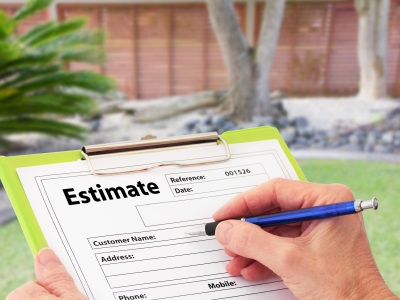
Having a roof replaced on your commercial building can seem like a daunting task. After all, you aren’t a roofer, you are a business person running whatever type of company that building protects. How are you supposed to know if you are being treated fairly and if the estimate you are receiving is complete?
First, you should anticipate that the roofing company will want to conduct an inspection. It is unfair to expect any form of estimate without allowing for time and opportunity to assess your current roof situation. Some roofing contractors may choose to conduct their inspection either on the roof or via drones.
Second, give the contractor some time to prepare that estimate. There are some contractors who are comfortable doing an “on the spot” quote, but others want to take the time to ensure it is a complete and full estimate. You wouldn’t commit to an important project without doing your due diligence, would you? Consider granting your commercial roofing contractor the same respect and understanding.
Part of the pre-estimate process frequently deals with discussing the type of system you are considering. Not all roofs are appropriate for all systems nor do all commercial roofing professionals work with all types of potential roofing systems. Sit down with the contractor and discuss your business goals as a part of this process. Identify if your goals include energy efficiency, chemical resistance, improved longevity, or cool roof technology integration. This information assists the contractor in determining the BEST system for both your building and your business.
Elements of a Commercial Roofing Estimate
Every contractor is different, so we’ve put together an overview of various elements you should look for in your commercial roofing estimate.
Materials: Exactly what type of materials, including manufacturer, is the contractor planning to use? Like cars, there is a wide variety in quality and cost between different manufacturers. A good commercial contractor may even prepare you options between XYZ and ABC manufacturers on the same type of roofing system.
Labor. Some contractors choose to include the cost of labor within the materials portion while others choose to make this a separate line item. There is nothing wrong with either method.
Protection. Again, some contractors include the cost involved in protecting your property and business from damage within their overall cost projection. Other contractors choose to show this as a separate line item on their estimate. Either is fine, but it is important that you clarify the steps that will be taken to protect your existing business while that roof is being replaced.
Warranty. This area is important. Your estimate should include a written outline of the warranty offered, both in terms of materials and labor. You should anticipate paying more for a really great long-term warranty that includes ongoing maintenance. Think of it as insurance for that roofing investment.
Timeline. Your estimate should include the timeframe anticipated to complete the job. Please notice the word “anticipated”. Like every other business, there are times when the unexpected occurs. Roofing contractors are subject to the vagaries of weather or supply chain interruptions to a greater extent than many other industries. That timeframe is an estimate based on past experience.
Payment Due Dates. Many large projects allow for payments to be made through the project completion. If that is the case with your commercial roofing project, your estimate should include the exact date each payment is due, along with terms for noncompliance by either party.
Elements that Affect Your Replacement Costs
There are many elements that go into determining the cost of replacing a commercial roof. Each is considered and calculated into that final estimate you will receive.
Need a Local Expert?
Our group works together to provide:
- Larger Base of Knowledge
- Group-Wide Accountability
- Set Standards for Service
- More Peace of Mind
Size. This is pretty obvious. The size of your roof is a HUGE consideration in the overall replacement project. Not only in materials and labor, but additional considerations such as debris removal, movement of materials over the scope of the project and even increased safety considerations all can play a part.
System. Different roofing systems have different costs. That is also pretty straightforward. If you and your contractor determine your roof is best suited for a PVC system, you will pay more than if it is determined that shingles will work better. Why? Because PVC costs more than shingles.
Roof Style. This one may come as a surprise, but roofs with multiple peaks and valleys will generally cost more per square foot than flat roofs. Why? A good part of it is due to increased labor costs as those steep angles require more time and more protective equipment than an open flat roof.
Roof Access. If your contractor is going to have to hire a crane to get materials and personnel up 10 stories, it is going to cost more than if they have to move those same items up 1 story.
The bottom line is there are a LOT of considerations that go into a good commercial roofing estimate. That is the best reason to work with a qualified, reputable, professional commercial roofing company. If you are looking for an estimate, feel free to contact the Choice Roof Contractor Group at (800) 670-5583 or complete the inquiry form and we will put you in touch with a roofing company in your area.
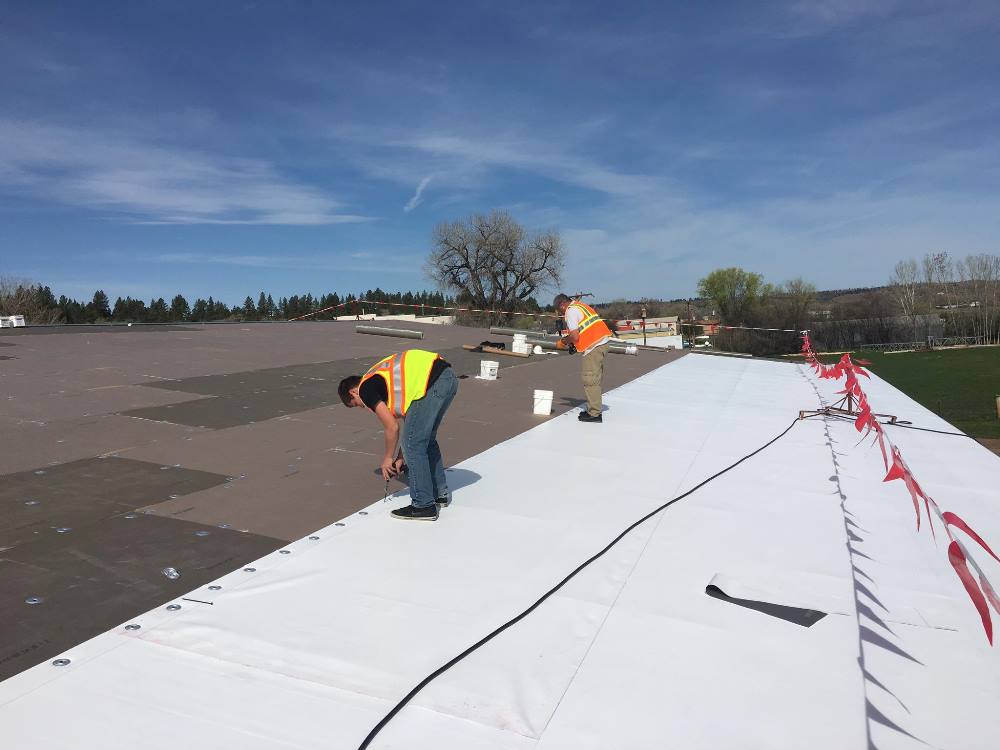
 So, you’re in the market for a new commercial roofing system. You start talking with a roofing contractor and he begins with throwing around terms like PVC (I thought that was a term for pipes?) and TPO (some new brand of toilet paper?). How do you translate that into what product works best for you?
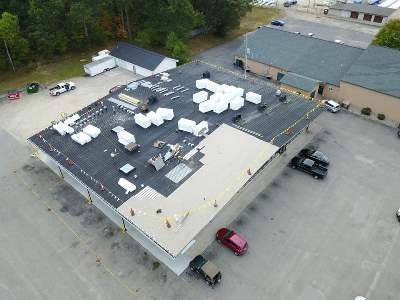 TPO (thermoplastic polyolefin) is made from rubberized materials, generally a blend of polypropylene plastic and ethylene-propylene rubber. These sheets come in various thicknesses, ranging from 40mm to 100mm, with 45mm to 65mm being the most common for roofing applications.
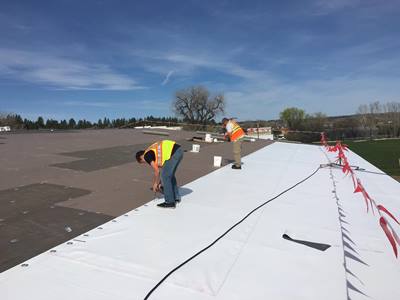 PVC (polyvinyl chloride) is the 3rd most produced synthetic plastic in the world. In its original form, it is the rigid white plastic that you’re familiar with in plumbing and other applications. With the addition of “plasticizers”, it becomes the flexible version used in single-ply membrane systems.
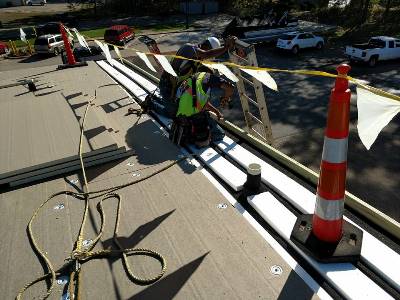
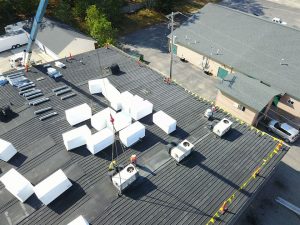 The roofing industry is a lucrative industry, but without proper safety, you will set your company up to fail. Your employees are your greatest resource. Without them, your company could not exist. This also goes for your clients, without them, you would be out of business sooner than you started. Your safety plan should focus on keeping both your employees and your clients safe.
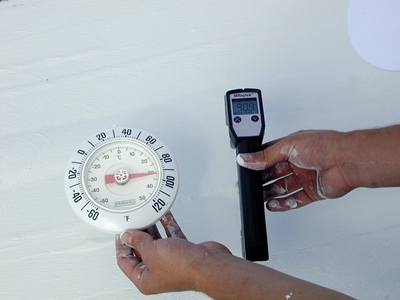
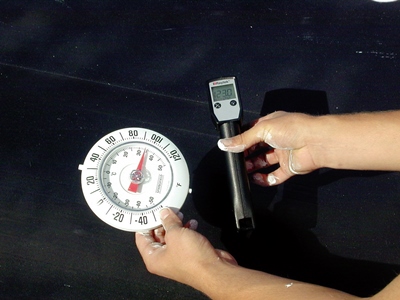 Chemical breakdown. Depending on the roofing system installed, outdoor temperatures of a comfortable 90°F can quickly become a blistering 160° on the roofing surface! Some roofing system materials absorb and retain that heat, rather than reflecting it away from the building. With surface temperatures that extreme, the chemical compounds within the materials can begin to break down. Over time, this leads to roofing system failure. Unfortunately, this breakdown is almost impossible to see to the naked eye and you are only aware it has occurred when the next rainstorm advises you.
 PVC, which stands for polyvinyl chloride, in the right hands will deliver high-quality, long-lasting protection for your building. These roofing systems have been delivering trusted protection for decades and continue innovation so they can adapt with the increasing demands in roofing today. Comprised of a single layer, PVC roofs are a member of the single-ply membrane family and are a thermoplastic.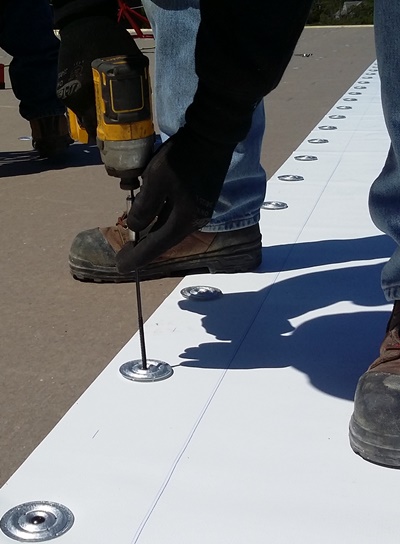



 There is no shortage of different marketing approaches and that leaves the door open to opportunities that will work for you. Determining which approaches will work best for you and your company to reach your goals is easier when you call on professionals.
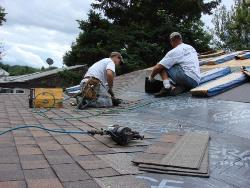 In the most basic definition, a “commercial” roof is one that sits over a business, rather than a personal home or multi-tenant building. For most, that would include industrial buildings, strip malls, hospitals and the like.
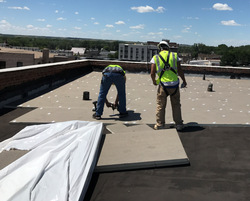 There are a few drawbacks when considering switching to commercial roofing.
 These are the top 5 OSHA violations to consider when trying to reduce your number of violations and minimize how much of your time is lost due to a bad situation.